

Comprehensive Guide to Winery and Vineyard Inspections: Ensuring Quality, Safety, and Compliance
The journey of a single bottle of wine—from the moment the first bud breaks on the vine to the moment the cork is finally pulled—is an incredibly complex, multi-stage process. Viticulture and enology are unique industries because they seamlessly blend traditional agricultural practices with highly regulated food processing and manufacturing environments. For vineyard managers, winemakers, and operations directors, this duality presents a unique set of challenges. Maintaining optimal crop health, ensuring absolute worker safety, preserving the sanitary condition of the winery, and complying with stringent federal and state regulations requires an immense amount of oversight. This is where rigorous, standardized inspection protocols become the backbone of a successful winemaking operation.
A proactive approach to winery and vineyard inspections is not merely about ticking boxes to satisfy regulatory bodies; it is a fundamental strategy for risk management and quality assurance. Without a consistent audit trail, small operational inefficiencies or minor equipment flaws can quickly snowball into catastrophic safety incidents or spoiled batches of wine, costing operations thousands—if not millions—of dollars. By implementing systematic daily, weekly, and seasonal checks, vineyard and winery operators can safeguard their personnel, protect their physical assets, and guarantee that the product reaching the consumer’s glass is of the highest possible quality.
However, the sheer volume of variables to monitor can be overwhelming. Managers must oversee sprawling acreage, heavy agricultural machinery, delicate fermentation ecosystems, complex chemical storage, and a labyrinth of compliance documentation. To manage this effectively, utilizing a structured, comprehensive tool is non-negotiable. Implementing a Winery & Vineyard Inspection Checklist provides the necessary framework to ensure that no critical safety or operational detail is overlooked during routine operations and seasonal transitions.
In this comprehensive guide, we will explore the critical components of a robust winery and vineyard inspection program. We will break down the inspection process into distinct operational zones, from the soil and vines to the crush pad, barrel room, and bottling line. By understanding the specific hazards and compliance requirements of each area, your team can build a culture of continuous improvement, safety, and uncompromising quality.
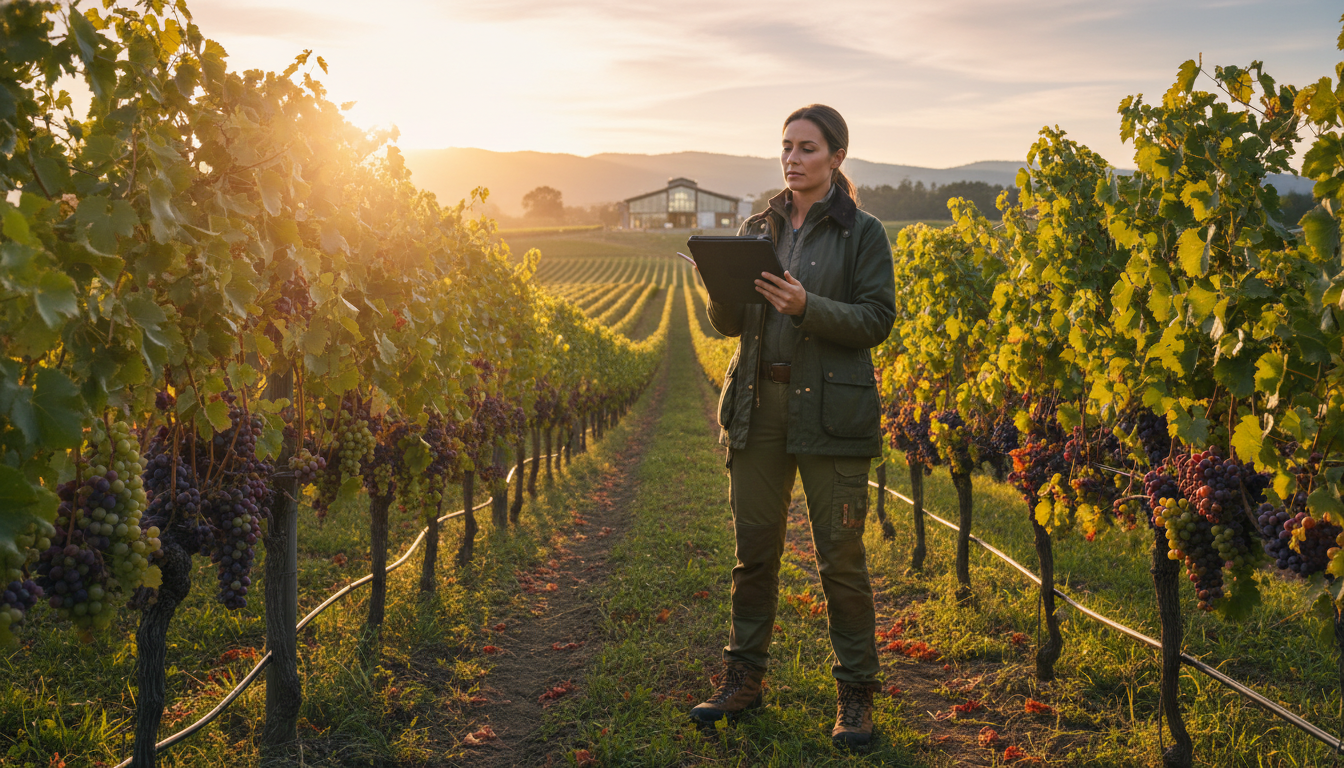
Vineyard Operations: Agricultural Safety and Crop Health
The vineyard is the starting point of wine production, and it presents a host of traditional agricultural hazards and environmental challenges. Inspections here must balance crop vitality with the strict safety protocols required for agricultural workers.
Equipment and Machinery Maintenance
Vineyards rely heavily on specialized equipment, including tractors, mechanical harvesters, sprayers, and utility vehicles. Mechanical failure not only halts operations but poses severe risks to operators. Routine inspections must verify that rollover protective structures (ROPS) and seatbelts are fully functional on all tractors. Power take-off (PTO) shields must be in place and undamaged. Furthermore, strict adherence to guidelines for agricultural operations established by OSHA is critical to prevent crushing injuries, amputations, and fatalities associated with farm machinery.
Chemical Storage and Pesticide Application
Managing pests, fungi, and weeds is essential for grapevine health, but it involves the handling of potentially hazardous chemicals. An inspection must audit the chemical storage facility to ensure it is properly ventilated, securely locked, and equipped with adequate spill-containment measures. Furthermore, application logs must be meticulously reviewed. Compliance with EPA agriculture standards, specifically the Worker Protection Standard (WPS), is mandatory. This includes verifying that workers have appropriate personal protective equipment (PPE), proper training, and access to decontamination supplies when applying pesticides or herbicides.
Trellis Integrity and Ergonomics
The structural integrity of the trellis system is vital. Broken posts, snapped wires, or sagging cordons can lead to crop damage and create tripping or laceration hazards for vineyard crews during pruning and harvesting. Additionally, inspectors must evaluate the ergonomic risks to workers. Hand-harvesting and winter pruning are highly repetitive tasks that can cause musculoskeletal disorders. Providing proper tools, enforcing regular breaks, and training workers on safe lifting techniques should be part of the seasonal safety audit.
The Crush Pad and Cellar: Manufacturing and Confined Spaces
Once the grapes are harvested, they move to the crush pad and into the cellar, transitioning the operation from agriculture to manufacturing. The risks shift dramatically toward industrial machinery, chemical use, and confined spaces.
Crush Pad Machinery and Lockout/Tagout
The crush pad houses destemmers, crushers, sorting tables, and massive presses. These machines contain powerful moving parts that present entanglement and crush hazards. Inspections must confirm that all machine guarding is securely in place. Equally important is the verification of Lockout/Tagout (LOTO) procedures. Before any maintenance or deep cleaning is performed on these machines, strict LOTO protocols must be enforced to ensure the equipment cannot be accidentally energized.
Confined Space Entry in the Cellar
Perhaps the most severe, life-threatening hazard in a winery is the fermentation tank. Fermentation naturally produces large quantities of carbon dioxide (CO2), which displaces oxygen and can cause rapid asphyxiation. Emptying, cleaning, or performing maintenance inside vats, presses, and large barrels constitutes a permit-required confined space entry. Routine safety inspections must guarantee that gas monitors are calibrated and functional, ventilation equipment is deployed, and rescue harnesses and attendants are strictly utilized according to safety regulations.
Cellar Sanitation and Chemical Hazards
Maintaining a sterile environment in the cellar is critical to preventing microbial spoilage of the wine. However, the cleaning agents used—such as caustic soda, peracetic acid, and sulfur dioxide (SO2)—are hazardous. Inspections should evaluate how these chemicals are mixed, applied, and stored. Eyewash stations and emergency showers must be tested weekly to ensure they are functioning properly in case of an accidental chemical splash.
Quality Control and Food Safety Compliance
Wine is a consumable beverage, and wineries are therefore subject to rigorous food safety regulations. While alcohol is a natural preservative that prevents the growth of most human pathogens, wineries are not exempt from facility hygiene standards.
Good Manufacturing Practices (GMPs)
Inspections must look closely at facility hygiene. This includes assessing floor drainage to prevent standing water (which breeds bacteria and fruit flies), ensuring adequate lighting with shatterproof bulbs, and maintaining strict pest control programs against rodents and insects. Because wineries produce a consumable product, they must align with the regulations outlined in the FDA Food Safety Modernization Act (FSMA). Implementing and auditing Current Good Manufacturing Practices (cGMPs) ensures that the facility operates cleanly and mitigates any risk of physical, chemical, or biological contamination during production.
Regulatory Affairs and Administrative Auditing
Beyond physical safety and facility cleanliness, a massive component of a winery inspection program involves administrative auditing. The wine industry is one of the most heavily taxed and regulated industries in the world.
TTB Compliance and Recordkeeping
Federal oversight of alcohol production is strict. Internal audits must regularly review the winery’s recordkeeping to ensure it aligns perfectly with the physical inventory. Discrepancies between the amount of wine produced, stored, and bottled can result in severe federal penalties. Operations must adhere closely to TTB wine laws and regulations. This includes auditing labeling compliance (such as accurate alcohol by volume percentages and sulfite warnings), tracking the exact movement of bulk wine, and ensuring accurate tax class designations are maintained at every stage of the winemaking process.
Conclusion
Running a successful winery and vineyard requires a delicate balance of artistry, agricultural science, and rigid industrial discipline. The threats to a winery’s success are multifaceted, ranging from tractor accidents in the field and CO2 exposure in the cellar to microbial contamination in the barrel room and administrative compliance failures with federal agencies. The only effective way to manage these intersecting risks is through a disciplined, routine, and comprehensive inspection program.
By breaking down your operational audits into specific zones—vineyard, crush pad, cellar, bottling, and administrative—you can create a culture of proactive management. Empowering your staff to identify hazards and compliance gaps before they escalate not only protects your bottom line but ensures the safety of your team and the superior quality of your wine. To streamline this massive undertaking and ensure your facility is adhering to industry best practices, implement a standardized Winery & Vineyard Inspection Checklist today. A commitment to rigorous inspections is a commitment to the enduring legacy of your vineyard.