

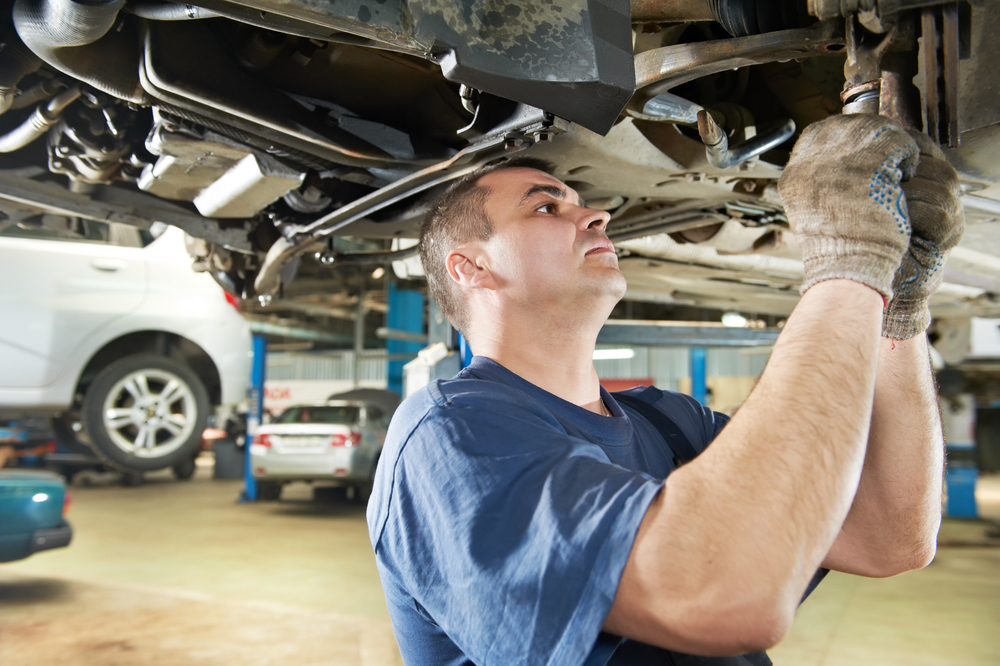
Vehicle Inspection Checklist: Keep Your Ride Safe and Road‑Ready
Whether you’re maintaining a personal car, a commercial fleet, or a company vehicle, regular inspections are essential to ensure safety, reliability, and compliance. Using a structured Vehicle Inspection Checklist helps you catch small issues before they become major problems.
Why Vehicle Inspections Matter
A vehicle inspection is a comprehensive review of a vehicle’s condition — exterior, interior, mechanical, and safety systems — designed to identify issues that could affect performance or safety. According to occupational safety experts, conducting a consistent inspection before every use helps reduce accidents and equipment failures. CCOHS – Driving & Vehicle Inspection Overview Daily or periodic inspections can prevent vehicle breakdowns, roadside emergencies, and costly repairs by catching problems early. Regular inspections are also a fundamental part of fleet safety and maintenance programs. SafetyMint – Vehicle Inspection Checklist Guide
What a Vehicle Inspection Checklist Should Cover
A thorough vehicle inspection checklist typically includes checks across several core systems and components. Standard inspection items include:
- Exterior Condition: Inspect body panels, glass, mirrors, and lights for damage or wear.
- Tires & Wheels: Check tread depth, inflation pressure, and wheel condition for safe traction and handling. Example Annual Comprehensive Checklist
- Fluid Levels: Verify engine oil, coolant, brake fluid, power steering fluid, and washer fluid levels.
- Mechanical & Engine: Check belts, hoses, battery condition, leaks, and general mechanical health.
- Interior Safety Features: Test seat belts, horn, dashboard lights, and emergency kits.
- Brakes & Suspension: Assess brake responsiveness, shocks, struts, and steering components.
- Documentation & Compliance: Confirm that registration, insurance, and required inspection records are current and valid.
Best Practices for Vehicle Inspections
Perform a thorough walk‑around inspection at least before each major trip or on a scheduled routine (daily for fleets, monthly for personal vehicles). Document findings, note any issues, and address maintenance needs promptly. Start with a 360° exterior check and walk through mechanical and safety systems step by step. Customizing your checklist based on vehicle type (car, truck, trailer) ensures nothing is overlooked. Shopmonkey – Vehicle Inspection Checklist Best Practices
Benefits of a Consistent Inspection Routine
Using a structured vehicle inspection checklist provides multiple benefits: improved safety on the road, fewer breakdowns, reduced long‑term maintenance costs, and better compliance with local or fleet policies. Inspections also provide documentation evidence that can support insurance claims, maintenance histories, and resale value.
Conclusion
Whether you’re inspecting a personal car or managing a fleet of commercial vehicles, a reliable inspection routine is key to safety and performance. Regular use of the Vehicle Inspection Checklist gives you a structured, practical approach to evaluating your vehicle’s condition and staying ahead of issues that impact safety and reliability.