

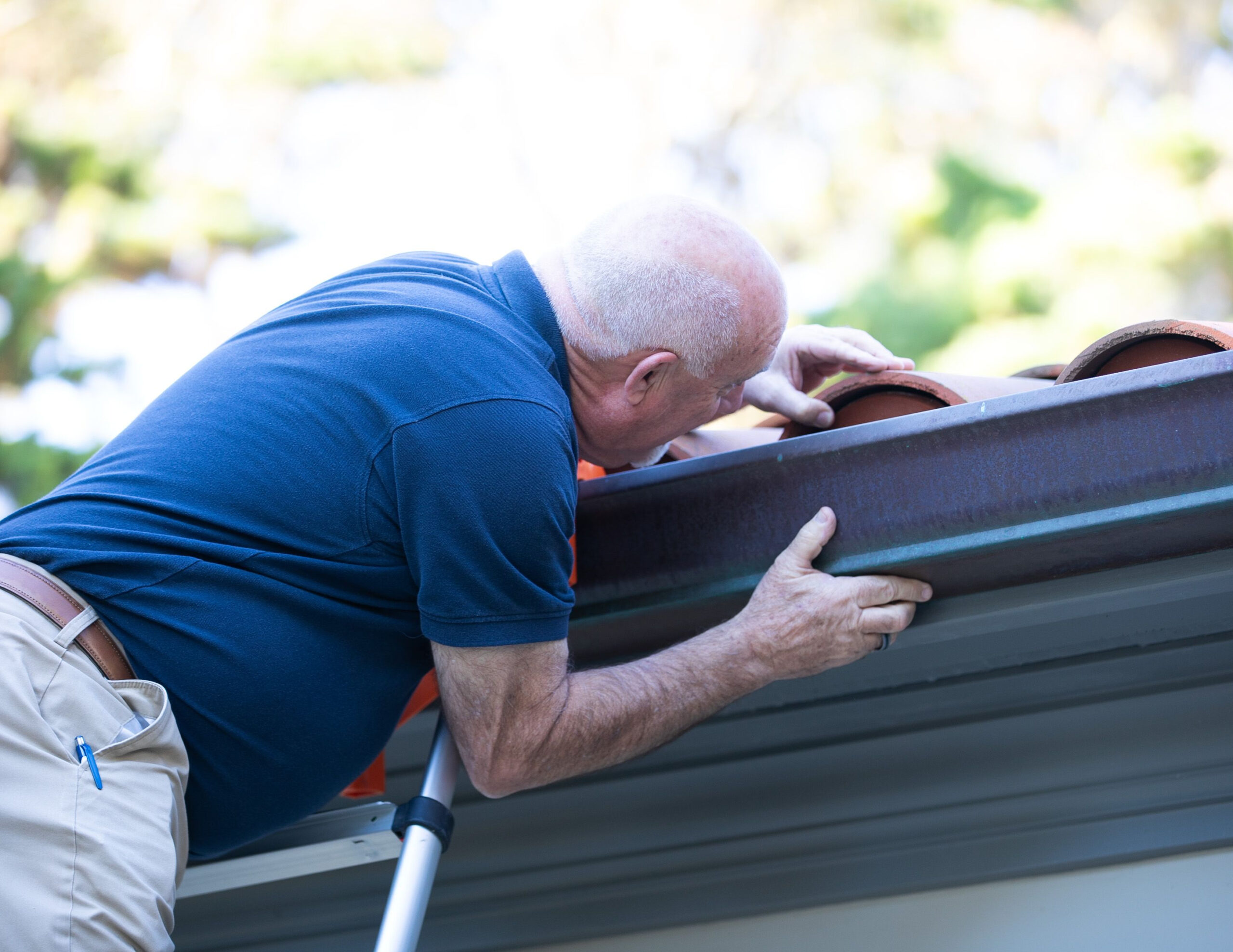
Roof Inspection Checklist: Protect Your Building with Regular Roof Maintenance
Your roof is one of the most critical parts of any building — residential, commercial or industrial. Regular and systematic roof inspections help catch small issues before they lead to leaks, structural damage, or safety hazards. Use this Roof Inspection Checklist to standardize inspections and protect your investment.
Why Regular Roof Inspections Are Essential
Rooftops endure exposure to weather, heavy loads, temperature fluctuations, and wear over time. According to facilities-management professionals, regular inspections extend the life of the roof, preserve building integrity, and help avoid costly repairs. Nail Your Roof Inspections – Risk Management Fund
Moreover, comprehensive inspections reduce long-term costs by catching issues early — missing shingles, worn flashing, drainage problems, and structural weaknesses before they escalate. Industrial Roofing – Why Regular Roof Inspections Are a Must
Key Areas to Inspect
- Roof surface & materials: Check shingles/tiles/roof membrane for damage, wear, missing pieces, cracks or loose components.
- Flashing, seams & joints: Inspect around chimneys, vents, skylights, and roof penetrations for proper sealing and signs of water entry.
- Gutters, downspouts & drainage: Ensure gutters are clear, downspouts are intact, and water drains away from the foundation to prevent pooling or leaks.
- Structural elements: Check roof deck, support beams, underlayment, and attic/ceiling for sagging, rot, or moisture damage.
- Roof-mounted equipment & penetrations: Inspect HVAC units, exhaust vents, solar mounts, piping, and roof hatches for secure installation and leak prevention.
- Safety & access points: Examine ladders, hatches, guardrails — ensure safe access and compliance with safety standards. Roof work requires proper fall protection when working at height. OSHA Roof Inspection & Safety Guidelines
When and How Often to Inspect
Best practice is to conduct roof inspections at least twice a year — typically in spring and fall — and any time after extreme weather events (storms, hail, heavy snow, wind). Manifestly – Roof Inspection Frequency & Best Practices Report your findings, take photographs, and log any anomalies to track roof condition over time.
Benefits of a Proactive Roof Inspection Program
- Extended roof lifespan — small issues get fixed before they cause major damage. GeoRoofing – Importance of Regular Roof Inspections
- Reduced long-term repair costs and avoided water damage inside the building. K1 Roofing – Cost Savings Through Roof Maintenance
- Compliance with safety regulations and lower liability risk — especially when roof access requires fall protection. BUILDINGS – Roof Safety Best Practices
- Better documentation for warranties, insurance claims, and property value retention.
How to Use the Roof Inspection Checklist Effectively
Download the checklist and schedule inspections at least twice a year (spring & fall) or right after severe weather events. Walk the roof methodically — surface, flashing, drainage, structural, and safety/access areas. Record findings, date, photos, and assign maintenance or repairs with priority levels. Store inspection reports in a central log to track trends over time and justify maintenance budgeting.
Conclusion
A well-maintained roof protects the building, preserves value, and ensures safety. The Roof Inspection Checklist is a simple but powerful tool to help you catch problems early, maintain compliance, and avoid costly repairs down the line. Make roof inspections a regular part of your maintenance schedule — your building and budget will thank you.