

The Ultimate Guide to Restaurant Cleaning and Sanitization Inspections
In the highly competitive and heavily regulated food service industry, maintaining impeccable hygiene is not just about appearances—it is the fundamental backbone of operational success and public safety. A single lapse in cleaning protocols can lead to devastating foodborne illness outbreaks, severe regulatory fines, and irreparable damage to a restaurant’s reputation. To safeguard patrons and ensure long-term viability, establishment owners must implement rigorous, structured hygiene protocols that leave absolutely no room for error.
A common pitfall in food service management is misunderstanding the critical distinction between cleaning and sanitizing. Cleaning is the physical removal of visible dirt, debris, and food particles from surfaces, typically using soap and water. Sanitizing, on the other hand, is the scientific process of reducing the number of harmful microorganisms—such as bacteria, viruses, and fungi—to safe levels as determined by public health standards. Both steps are mandatory and must be executed in the correct sequence; you simply cannot sanitize a dirty surface effectively.
To eliminate the guesswork from this dual-stage process and enforce consistency across all shifts, proactive managers rely on standardized evaluation tools. Implementing a dedicated restaurant cleaning and sanitization inspection checklist provides staff with clear, actionable expectations while offering management a verifiable audit trail of daily hygiene compliance.
Beyond merely ticking boxes, a robust sanitation inspection program transforms a restaurant’s culture. It shifts the mindset of back-of-house and front-of-house employees from reactive cleaning—addressing messes as they occur—to proactive sanitization, ensuring every countertop, cutting board, and dining table is consistently prepped to the highest possible health standards.
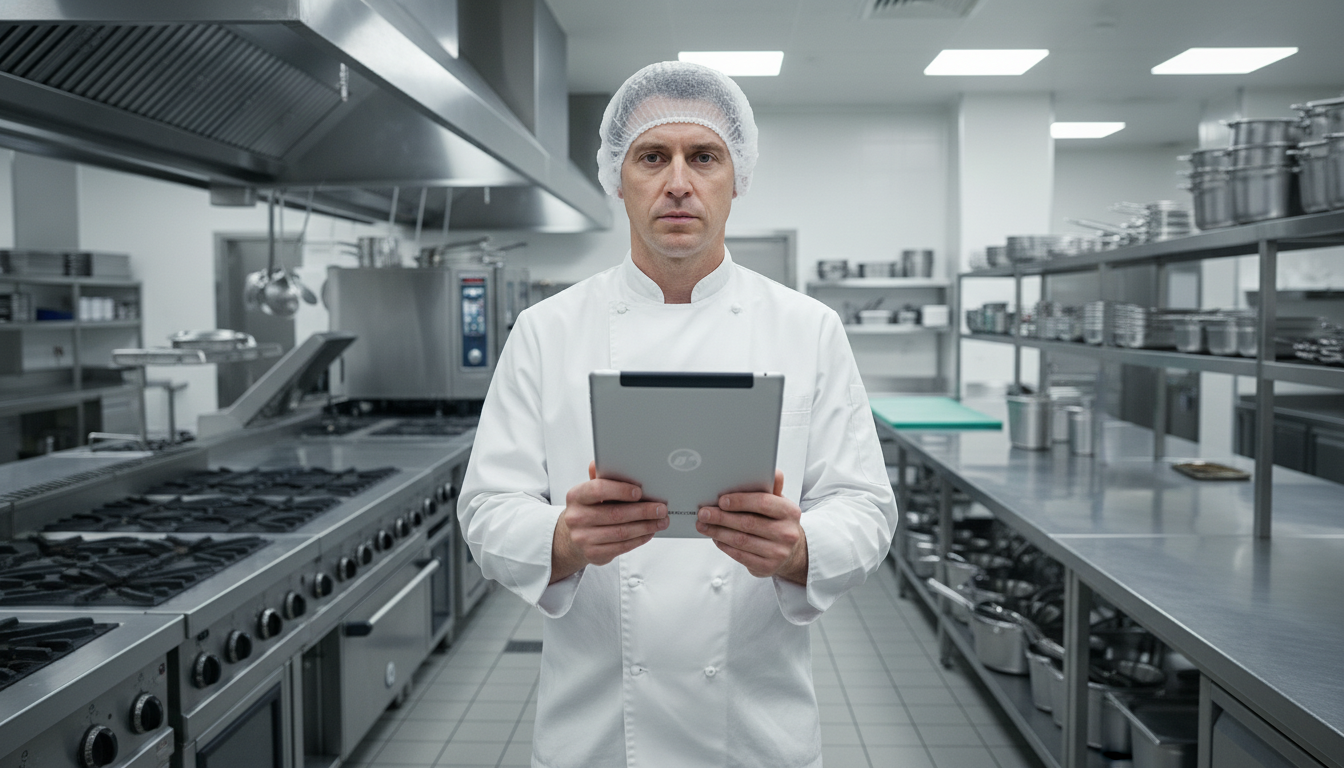
Why Routine Sanitization Inspections are Non-Negotiable
Foodborne pathogens such as Salmonella, E. coli, and Norovirus thrive in environments where moisture, warmth, and organic matter intersect—making commercial kitchens the perfect breeding ground if not meticulously managed. The primary defense against these invisible threats is a documented, routine inspection process. Relying on employee memory or casual visual checks is a guaranteed recipe for failure. By conducting regular sanitization inspections, management ensures that staff adhere to the stringent requirements set forth by regulatory bodies.
For instance, familiarizing your leadership team with the guidelines found in the FDA Food Code 2022 is essential. The Food Code serves as a scientifically sound technical and legal basis for regulating the retail and food service segment of the industry. Integrating these comprehensive federal guidelines into your daily operations protects not only your patrons but also your business license. Inspections serve as the enforcement mechanism for these standards, catching minor infractions—like a sanitizer bucket with an inadequate parts-per-million (PPM) concentration—before they escalate into critical health code violations during an official health department audit.
Key Areas to Include in Your Sanitization Checklist
A comprehensive inspection must cover every square inch of your facility, segmented logically to align with your staff’s workflow. An effective checklist categorizes tasks by zone, frequency, and specific chemical requirements.
Back-of-House (BOH) and Kitchen Operations
The kitchen is the engine of your restaurant, and its hygiene dictates the safety of every dish served. Inspection protocols here must be uncompromising. Critical touchpoints include food preparation surfaces, cutting boards, slicers, and mixers, which must be cleaned and sanitized between different types of raw food processing to prevent cross-contamination. Furthermore, the cleaning of larger equipment, such as fryers, ovens, and walk-in refrigerators, should be scheduled and inspected rigorously.
Inspectors must also verify the proper operation of the three-compartment sink and commercial dishwashers. Are the wash temperatures adequate? Is the final sanitizing rinse reaching the required temperature or chemical concentration? It is also imperative that staff use the correct chemical agents for specific tasks. Management should always cross-reference their cleaning supplies with the EPA Selected Registered Disinfectants list to ensure the products actively eliminate the specific pathogens relevant to food service environments.
Front-of-House (FOH) Dining Areas
While the kitchen requires intensive biological control, the front-of-house is where your customers directly interact with your hygiene standards. A sticky table or a spotted glass can instantly ruin a dining experience. Routine FOH inspections should evaluate the cleanliness of tables, chairs, booths, and highchairs. High-touch surfaces like door handles, point-of-sale (POS) systems, host stands, and reusable menus are notorious vectors for community-spread illnesses and must be sanitized multiple times per shift.
Restrooms and Employee Facilities
Public and employee restrooms are high-risk areas that demand frequent monitoring. Inspections should verify that toilets, sinks, and floors are sanitized, and that essential supplies—such as soap, paper towels, and toilet paper—are fully stocked. An empty soap dispenser in an employee restroom is a critical failure that directly jeopardizes food safety. Adhering to the best practices outlined by CDC Environmental Health Services can help establishments design protocols that effectively mitigate the risk of disease transmission originating from restroom facilities.
Best Practices for Conducting Restaurant Inspections
Having a thorough checklist is only half the battle; execution is where successful restaurants distinguish themselves. To maximize the effectiveness of your sanitization inspections, establish a clear hierarchy of responsibility. Designate trained shift leaders or managers to conduct the audits, ensuring they possess the authority to enforce corrective actions immediately.
Frequency is another critical factor. While deep cleaning tasks (like degreasing exhaust hoods) may be monthly or quarterly, surface sanitization and temperature logs must be inspected multiple times a day. Implement a staggered inspection schedule: pre-opening checks to ensure the facility is ready for service, mid-shift audits to maintain standards during the rush, and closing inspections to reset the environment for the following day.
Furthermore, transitioning from outdated paper logs to modern digital inspection solutions offers unprecedented operational visibility. Digital checklists allow for mandatory photo uploads, time-stamped entries, and automated alerts for failed items. If a sanitizer dispenser is empty, a digital system can instantly notify the maintenance team, reducing downtime and eliminating the blind spots inherent in paper-based reporting.
Cultivating a Culture of Compliance Through Staff Training
Even the most meticulously designed sanitization checklist is entirely ineffective if the frontline employees responsible for executing it lack the proper training and understanding. High turnover rates in the hospitality industry mean that training cannot be a one-time onboarding event; it must be a continuous, integrated part of the restaurant’s operational rhythm. Regular inspections serve as a diagnostic tool to identify gaps in employee knowledge.
When an inspector or manager identifies a recurring failure—such as improper storage of raw poultry in the walk-in cooler or inadequate sanitation of the ice machine—it should trigger an immediate, targeted retraining session rather than purely punitive measures. Staff should understand the why behind the checklist. When employees comprehend how their specific actions directly prevent foodborne illnesses and protect the business’s reputation, compliance shifts from a tedious chore to a shared professional responsibility. Visual aids, clear standard operating procedures (SOPs) posted in multiple languages, and hands-on demonstrations of correct chemical usage are critical components of an effective training ecosystem that complements your inspection routines.
The Crucial Role of Chemical Contact Time
One of the most frequently overlooked aspects of restaurant sanitization—and a vital component of any thorough inspection—is chemical contact time, also known as dwell time. Spraying a surface with a commercial sanitizer and immediately wiping it dry does not give the active ingredients sufficient time to destroy microbial cell walls. Inspections must include observing staff behavior to ensure they are allowing sanitizers to sit visibly wet on the surface for the duration specified by the manufacturer.
Inspectors must also regularly test the concentration of sanitizing solutions using appropriate test strips. Solutions that are too weak will fail to kill pathogens, while solutions that are too strong can leave toxic chemical residues on food-contact surfaces. Calibrating this balance is a mandatory daily inspection task.
Conclusion
A restaurant’s commitment to cleanliness is the ultimate indicator of its operational maturity and dedication to customer safety. Navigating the complexities of health codes, proper chemical usage, and continuous staff training requires a systematized approach. By rigorously implementing and adhering to structured inspection protocols, food service operators can proactively mitigate risks, prevent costly compliance failures, and foster a culture of unyielding excellence. Ultimately, a clean restaurant is a profitable restaurant, and the journey to flawless hygiene begins with a comprehensive, well-executed sanitization checklist.