Plumbing System Inspection Checklist
Ensuring your plumbing system is functioning properly is essential for hygiene, safety, efficiency, and preventing costly water damage. A structured Plumbing System Inspection Checklist helps property owners, maintenance teams, and facility managers catch issues early and maintain compliance with building standards and health regulations.
Why Plumbing Inspections Are Important
Leaks, blockages, corrosion, and worn components can disrupt operations, increase utility costs, and cause structural damage. According to the Centers for Disease Control and Prevention (CDC), plumbing infrastructure and water quality directly impact public health, particularly in high‑use buildings like schools, offices, and multi‑unit residences. Routine inspections also support compliance with local plumbing codes enforced by authorities having jurisdiction.
The Water Quality Association (WQA) emphasizes inspection and maintenance to ensure water quality and system reliability. Identifying issues early can help prevent mold growth, bacterial contamination, and costly structural repairs due to water intrusion.
Core Areas in the Plumbing System Inspection Checklist
A comprehensive plumbing inspection should assess key systems and components throughout the property. Essential areas to inspect include:
- Fixtures & Faucets: Check for leaks, corrosion, and proper operation in sinks, showers, toilets, and urinals.
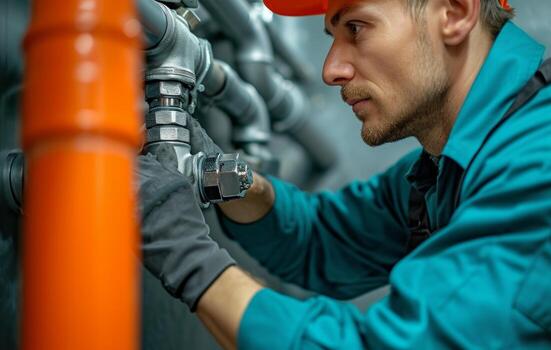
- Pipes & Drains: Inspect for signs of leaks, clogs, corrosion, improper slope, or damage in visible pipe runs.
- Water Supply Lines: Verify that cold and hot water lines are intact, free of leaks, and properly secured.
- Water Heaters: Assess temperature settings, pressure relief valves, insulation, and signs of rust or leakage.
- Sewer & Waste Lines: Check cleanouts, sewer odor, slow drains, and backups as indicators of blockages or failures.
- Backflow Prevention: Inspect backflow prevention devices for proper installation and certification status to protect potable water supply.
- Shut‑Off Valves: Test all accessible shut‑off valves for functionality in emergency isolation or maintenance scenarios.
Best Practices for Conducting Inspections
Perform plumbing inspections at least annually, and whenever a property changes occupancy or after significant weather events that could stress systems. Use calibrated tools and established checklists to ensure consistency in documentation. Always document findings with clear notes, photos, and recommended corrective actions.
The Plumbing Foundation Technical Resources provides industry references on pipe materials, pressure testing, and code compliance that can help inform inspection criteria and remedial actions.
Environmental and Health Considerations
Water quality issues can have direct health consequences. In facilities such as hospitals, schools, and food service locations, proper inspection and maintenance of plumbing and water systems are critical to preventing contamination. The Environmental Protection Agency (EPA) provides guidance on protecting water quality and managing plumbing systems to reduce health risks. EPA Water Security and Plumbing System Management
Conclusion
A thorough plumbing system inspection promotes safety, efficiency, compliance, and long‑term cost savings. Using the Plumbing System Inspection Checklist gives maintenance teams a consistent framework to evaluate fixtures, piping, drainage, water quality, and support systems so issues are caught and resolved before they escalate.