

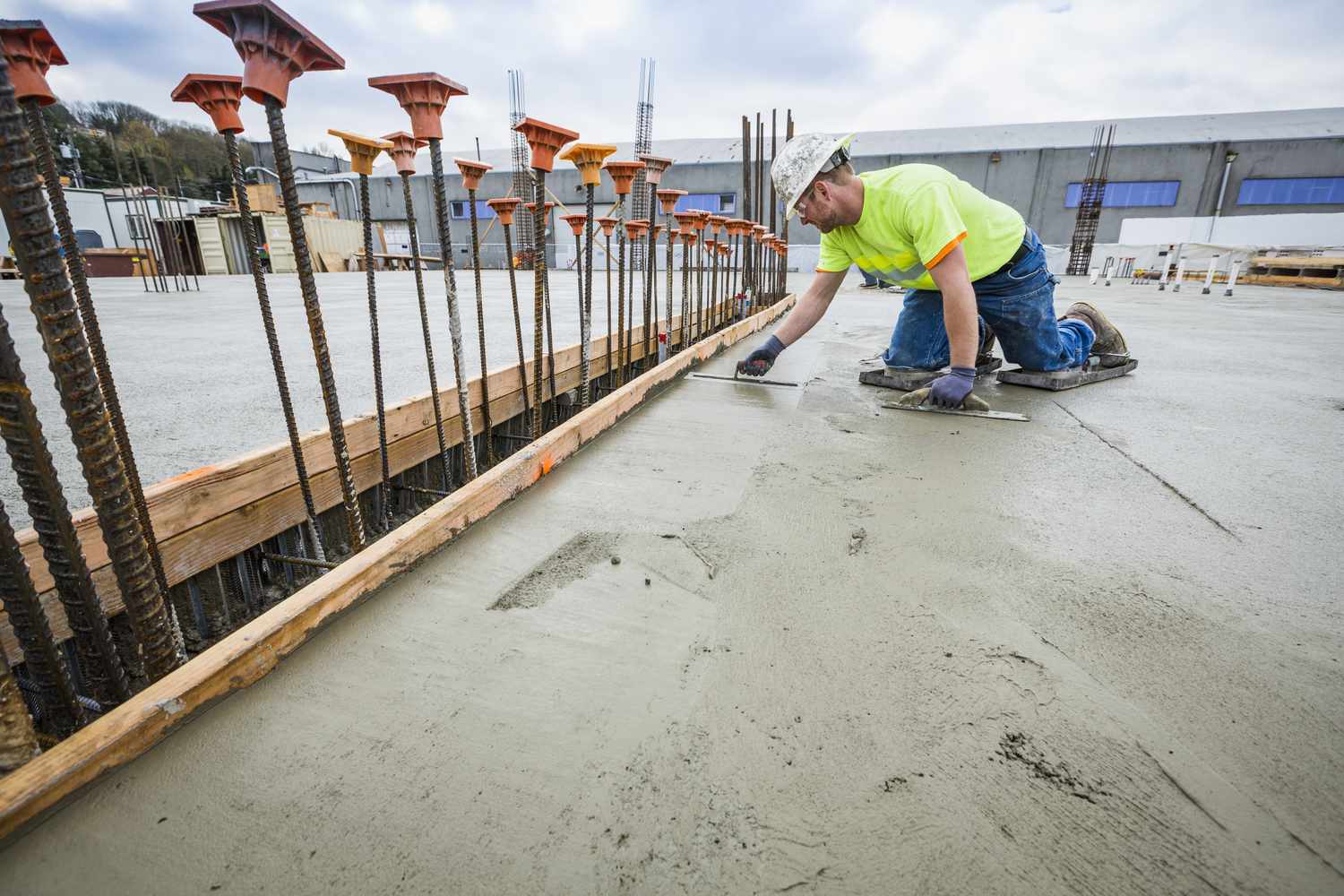
Concrete Pour & Curing Inspection Checklist
Proper inspection of concrete pours and curing processes is essential to achieve the strength, durability, and safety required for structural and flatwork applications. The Concrete Pour & Curing Inspection Checklist provides a systematic approach to evaluating key aspects of concrete placement and curing to help prevent common defects such as cracking, scaling, or inadequate strength development.
Why Concrete Pour & Curing Inspections Matter
Concrete is one of the most widely used construction materials, and its performance is heavily dependent on proper placement and curing. According to the Portland Cement Association (PCA), proper curing significantly improves the strength, impermeability, and durability of concrete by maintaining adequate moisture and temperature conditions. Inadequate curing can lead to surface defects, reduced strength, and long‑term performance issues.
In addition, construction safety standards from the Occupational Safety and Health Administration (OSHA) outline hazard prevention practices during concrete placement, including safe use of equipment and protection from exposure to wet concrete, which can cause chemical burns and irritation. Regular inspection helps ensure that both quality and safety standards are met.
Key Areas Covered in the Concrete Pour & Curing Inspection Checklist
A comprehensive concrete inspection should evaluate pre‑pour conditions, pour execution, and curing processes. Key areas include:
- Pre‑Pour Preparations: Verify formwork alignment, reinforcement placement, and surface preparation to prevent displacement or segregation.
- Material Quality: Confirm mix design, delivery temperature, slump, and aggregate condition prior to placement.
- Placement & Consolidation: Ensure concrete is placed continuously and consolidated properly to eliminate voids and honeycombing.
- Finishing: Inspect finishing operations for uniform surface texture, correct screeding, and avoidance of over‑troweling.
- Curing Procedures: Verify curing method (e.g., wet curing, curing compounds, coverings) is applied immediately after finishing and maintained under appropriate temperature and moisture conditions. The NIOSH concrete safety guidance supports maintaining safe practices throughout curing.
- Environmental Controls: Document ambient conditions such as temperature, wind, and humidity that affect curing, and verify measures (shade, wind breaks) are in place.
- Protection & Access Control: Check that the pour site is barricaded, signage is visible, and unauthorized access is controlled to prevent disruption of curing.
Best Practices for Inspection and Documentation
Perform inspections at designated stages: prior to placement, during placement, and throughout the curing period. Use calibrated tools to measure slump, temperature, and maturity. Document every finding with clear notes, photos, and timestamps. Ensure corrective actions are assigned and tracked to closure.
The American Concrete Institute’s (ACI) guidelines (such as ACI 318 and ACI 301) offer detailed recommendations for concrete quality and curing practices that align with industry best practices. Referencing these standards helps ensure that inspection criteria reflect performance expectations. American Concrete Institute (ACI)
Conclusion
Concrete pour and curing inspection is a critical quality control step that directly influences the performance and longevity of structures. Using the Concrete Pour & Curing Inspection Checklist, construction teams can systematically evaluate conditions and procedures to ensure compliance with quality expectations and safety requirements.