

Ultimate Guide to Bus & Transit Vehicle Inspection Checklists
Transit vehicles form the backbone of modern public infrastructure, carrying millions of commuters, students, and travelers every day. Ensuring the mechanical integrity and safety of these buses is not just an operational preference; it is a profound legal and ethical responsibility. A structured bus and transit vehicle inspection process prevents road breakdowns, protects lives, and extends the lifespan of expensive fleet assets. Utilizing a comprehensive bus transit vehicle inspection checklist is the first step toward building a highly reliable preventive maintenance culture within any transit agency or private charter organization.
Operating a passenger fleet requires strict adherence to federal and state regulations. In the United States, organizations like the Federal Transit Administration (FTA) oversee safety management systems (SMS) and provide national guidance on maintaining transit assets in a state of good repair. Failing to meet these safety baselines can result in costly service disruptions, severe regulatory penalties, and, worst of all, tragic accidents that destroy public trust. Regular inspections act as an early warning system, capturing minor fluid leaks, worn brake pads, or faulty safety valves before they escalate into catastrophic mechanical failures.
Beyond compliance, systematic inspections significantly lower total cost of ownership (TCO) for transit authorities. When mechanics and drivers collaborate using standard check-sheets, they establish an audit trail of vehicle health. This data-driven approach allows fleet managers to transition from reactive maintenance to highly organized, predictive maintenance cycles. This strategy is also heavily backed by guidelines from the Federal Motor Carrier Safety Administration (FMCSA), which mandates systematic inspection, repair, and maintenance for all commercial passenger vehicles.
Implementing a standardized inspection workflow ensures that no critical safety system is overlooked. From checking school bus stop-sign arms to inspecting the pneumatic kneeling systems on low-floor city transit buses, every component plays a role in passenger welfare. Let us dive deeper into the key areas that every robust transit vehicle inspection checklist must cover to ensure absolute compliance and safety on the road.
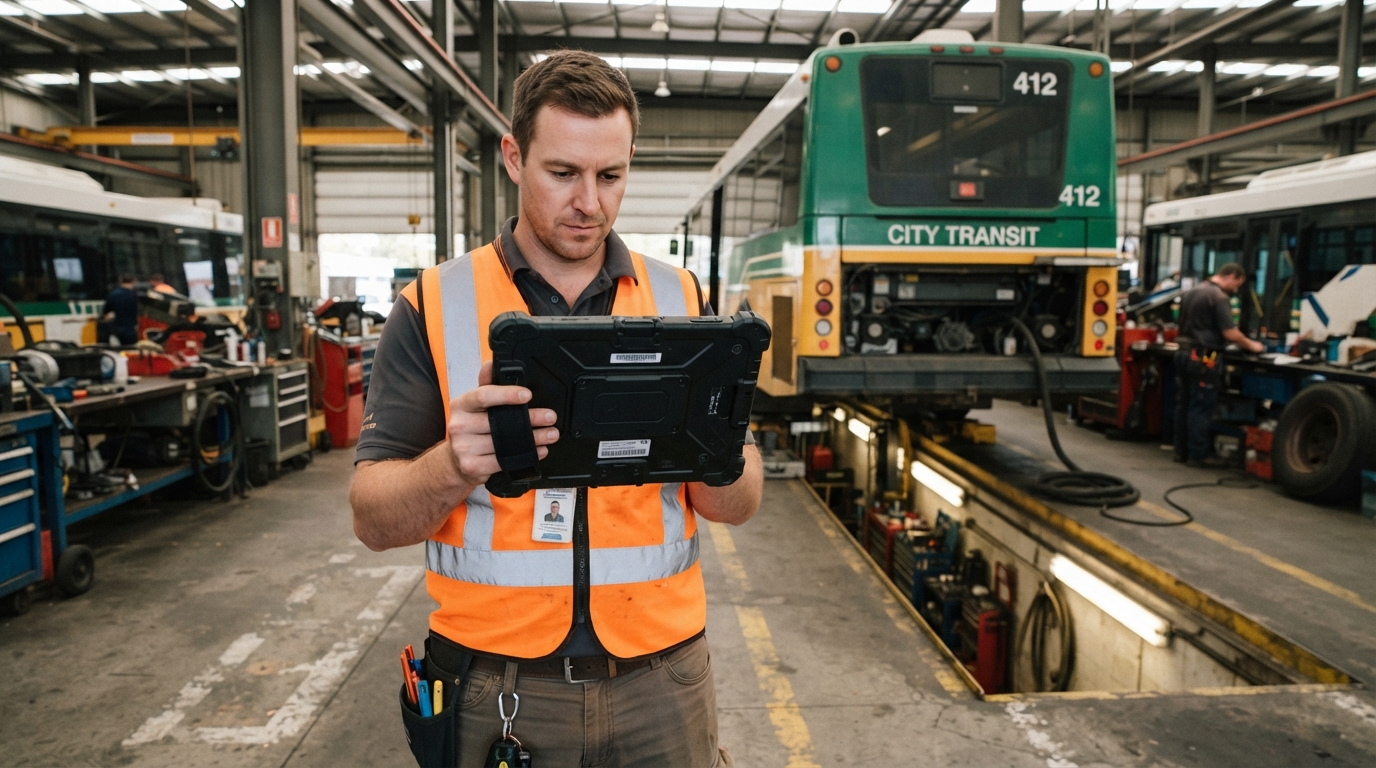
Core Components of a Comprehensive Transit Inspection Checklist
A truly effective inspection checklist does not just list parts; it guides the operator through a logical, physical walkaround of the vehicle. This prevents backtracking and ensures maximum efficiency during the pre-trip, mid-trip, and post-trip phases.
1. Exterior Walkaround and Structural Integrity
The exterior check begins with a visual sweep of the bus body. Inspectors must look for structural damage, loose panels, and secure mounting of mirrors and bumpers. All glass surfaces—including windshields, passenger windows, and door panes—must be free of cracks and obstructions that could impair driver visibility. The National Highway Traffic Safety Administration (NHTSA) establishes federal motor vehicle safety standards that govern visibility, lighting, and emergency exits, making these exterior checks critical for official compliance.
2. Brake Systems and Under-Vehicle Components
Braking capability is arguably the most critical safety factor for heavy transit vehicles. Inspectors must verify air pressure gauges, test for air leaks, check brake drum conditions, and ensure the slack adjusters are functioning within safe limits. Hydraulic lines and air hoses must be inspected for cracking, swelling, or chafing against the chassis. Any compromise in the braking system must result in an immediate “out-of-service” status for the vehicle.
3. Electrical Systems and Lighting
Transit buses rely on complex electrical systems to power both passenger amenities and safety equipment. Operators must test headlamps (high and low beams), turn signals, hazard lights, brake lights, clearance markers, and license plate illuminators. Inside the cabin, dashboard warning indicators, stepwell lighting, and destination signs must function flawlessly to assist passengers, especially those with visual impairments.
4. Interior Safety and ADA Compliance
Passenger safety extends well beyond mechanical propulsion. The interior cabin must be clean, free of tripping hazards, and equipped with securely mounted stanchions and grab rails. Emergency exits—including roof hatches, window releases, and rear door latches—must open easily and trigger the appropriate driver-alert alarms. Furthermore, transit vehicles must fully comply with the Americans with Disabilities Act (ADA) requirements. This involves checking that wheelchair ramps, lifts, securement straps, and kneeling features are fully operational before the bus departs the depot.
The Difference Between Pre-Trip and Post-Trip Inspections
A common misconception is that pre-trip and post-trip inspections are identical. While they share many checkpoints, they serve distinct operational purposes. The pre-trip inspection is focused on immediate roadworthiness—ensuring that the vehicle can safely complete its upcoming route without incident. Drivers check fluid levels, tire pressures, and brake functionality before passenger boarding.
Conversely, the post-trip inspection is designed to identify wear and tear that occurred during operation. This is the ideal time to report new rattles, engine temperature spikes experienced during service, or minor interior damage caused by passengers. Identifying these issues at the end of the shift gives the maintenance garage ample time to perform repairs overnight, minimizing fleet downtime and preventing service delays the following morning.
Transitioning from Paper to Digital Checklists
For decades, transit agencies relied on paper clipboards and multi-copy carbon forms to log inspections. However, this legacy method presents major bottlenecks: lost paperwork, illegible handwriting, delayed reporting of safety defects, and an absolute lack of searchable historical data. Modern fleet operations are rapidly transitioning to digital check-sheets accessible via tablets and mobile devices.
Digital platforms allow drivers to log inspection results in real time. If a defect is found, they can instantly upload a photo of the damaged component, which immediately alerts the maintenance shop and auto-generates a work order. This level of rapid communication minimizes the risk of non-compliant vehicles accidentally entering service and dramatically accelerates repair turnaround times.
Best Practices for Transit Fleet Managers
To maximize the benefits of your safety management system, fleet managers should establish clear Standard Operating Procedures (SOPs) around inspections. Regular training sessions should be conducted to teach drivers exactly how to identify defects—such as distinguishing between normal tire wear and a dangerous sidewall bulge. Furthermore, managers should perform random audits of completed checklists to ensure that walkarounds are being conducted thoroughly rather than rushed through as a mechanical formality.
Conclusion and Next Steps
Keeping a passenger transit fleet safe and operational requires dedication, structure, and the right tools. By equipping your drivers and maintenance crew with a comprehensive inspection protocol, you ensure regulatory compliance, reduce operational overhead, and most importantly, protect the passengers who rely on your transit network. To elevate your operations today, download our customizable, ready-to-print bus transit vehicle inspection checklist and build a safer tomorrow for your community.