
Mastering Compliance with an Air Quality and Emissions Inspection Checklist
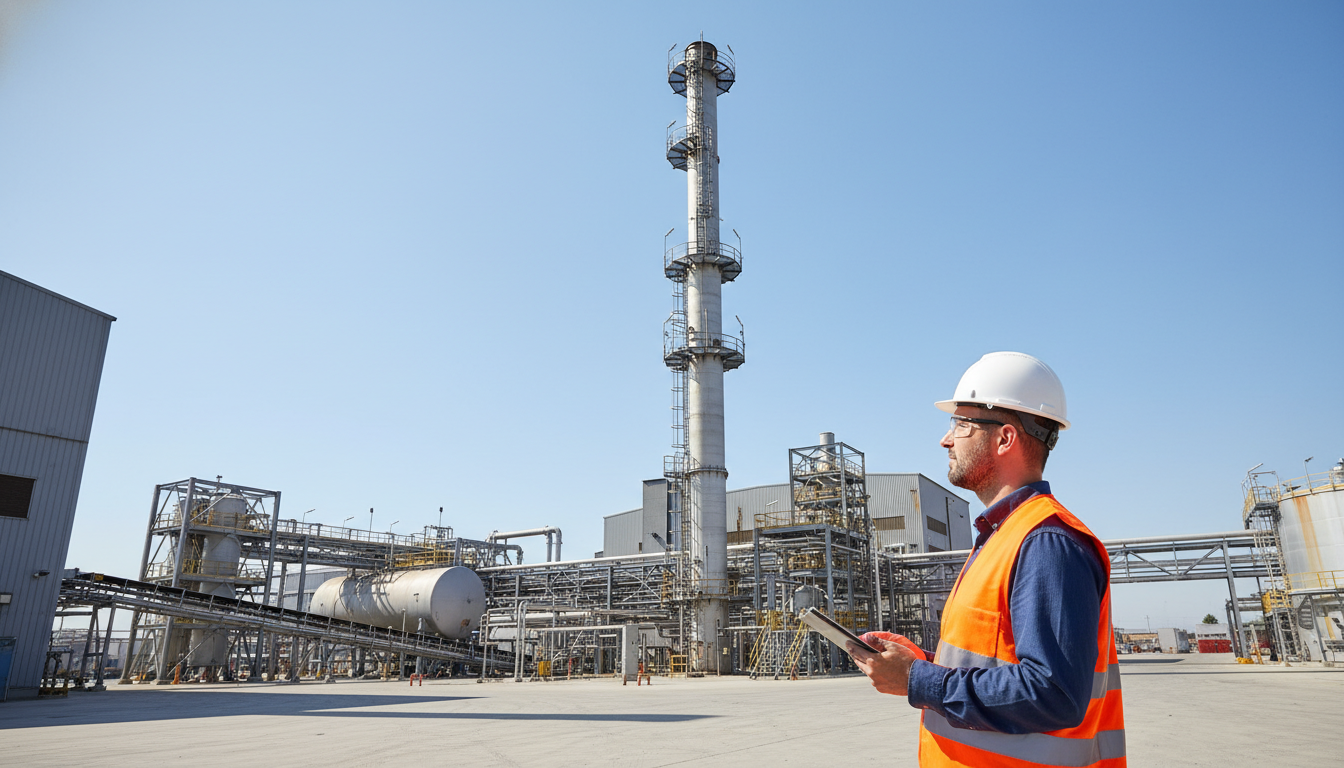
Maintaining high standards for air quality is no longer just a corporate social responsibility goal; it is a legal and operational necessity. Whether you are managing an industrial manufacturing plant or a commercial office building, ensuring that your facility meets stringent environmental regulations is critical for both public health and business longevity. A robust air quality and emissions inspection checklist serves as the first line of defense against hazardous leaks, excessive pollutants, and regulatory fines.
The Importance of Regulatory Oversight
Industrial emissions are strictly regulated to mitigate the impact of pollutants on the environment and surrounding communities. Organizations must stay updated on the latest Criteria Air Pollutants identified by the EPA to ensure their stack emissions and fugitive gases remain within permissible limits. Failure to monitor these levels can lead to significant legal repercussions and environmental degradation.
Indoor Air Quality and Workplace Safety
Beyond external emissions, the air quality inside a facility directly impacts employee health and productivity. Contaminants such as volatile organic compounds (VOCs), dust, and mold can lead to long-term respiratory issues. Implementing standards focused on Indoor Air Quality as defined by OSHA helps facility managers identify ventilation failures and chemical hazards before they escalate into safety incidents.
Standardizing Your Inspection Process
Consistency is the key to effective environmental management. By using a standardized air quality and emissions inspection checklist, teams can ensure that every sensor, scrubber, and ventilation unit is evaluated with the same level of scrutiny. This documentation is also invaluable during official audits, providing proof of due diligence and continuous monitoring.
Global Benchmarks for Environmental Excellence
For organizations looking to go beyond local compliance, adopting international frameworks is highly recommended. Aligning your inspection protocols with ISO 14001 Environmental Management standards provides a structured approach to reducing your environmental footprint and improving resource efficiency. Regular air quality audits are a core component of this global standard, ensuring that emissions are not just monitored, but actively reduced over time.
Conclusion
Proactive monitoring of air quality and emissions is an investment in the future of your organization. By integrating authoritative guidelines and professional templates into your routine, you can ensure a safer environment for your workers and a cleaner world for the community.