

Mastering OSHA Compliance: A Comprehensive Guide to Workplace Safety Inspections
Workplace safety is not merely a legal obligation; it is the cornerstone of operational excellence and employee well-being. For facility managers and safety officers, maintaining adherence to OSHA 29 CFR 1910 standards is a complex but vital endeavor. Without a structured approach, organizations risk significant fines, operational downtime, and, most importantly, worker injury. Implementing a proactive strategy for recurring audits is the only way to ensure long-term compliance and safety.
The complexity of industrial regulations requires more than just occasional oversight. Organizations must foster a culture of prevention where every employee understands their role in identifying hazards. By utilizing a standardized OSHA compliance inspection checklist, managers can systematically review workplace conditions, document findings, and take corrective action before incidents occur. This process creates a defensible record of diligence that proves invaluable during government audits.
Safety inspections should be viewed as an iterative process rather than a static annual task. Every facility, regardless of size, must navigate the specific demands of their industry, from chemical handling to machinery guarding and electrical safety. The National Fire Protection Association (NFPA) codes often overlap with OSHA requirements, creating a dual-responsibility framework for facility maintenance teams. Understanding how these standards integrate is critical for a truly safe working environment.
When embarking on your inspection cycle, preparation is the first stage of success. A thorough examination requires access to the right data, historical maintenance records, and an understanding of recent regulatory changes. This guide provides the framework for conducting these evaluations effectively, ensuring that your organization remains ahead of potential safety curveballs.
Developing a Robust Inspection Framework
To move beyond basic compliance, organizations should adopt a multi-layered approach to auditing. This begins with Daily Walkthroughs, which focus on immediate hazards like spills, trip hazards, and obstructed fire exits. Following these with Monthly Deep Dives allows management to evaluate more complex systems, such as EPA-regulated air quality standards or long-term machinery wear and tear. Consistency is the primary factor that transforms safety from a checklist item into a core company value.
Documentation and Accountability
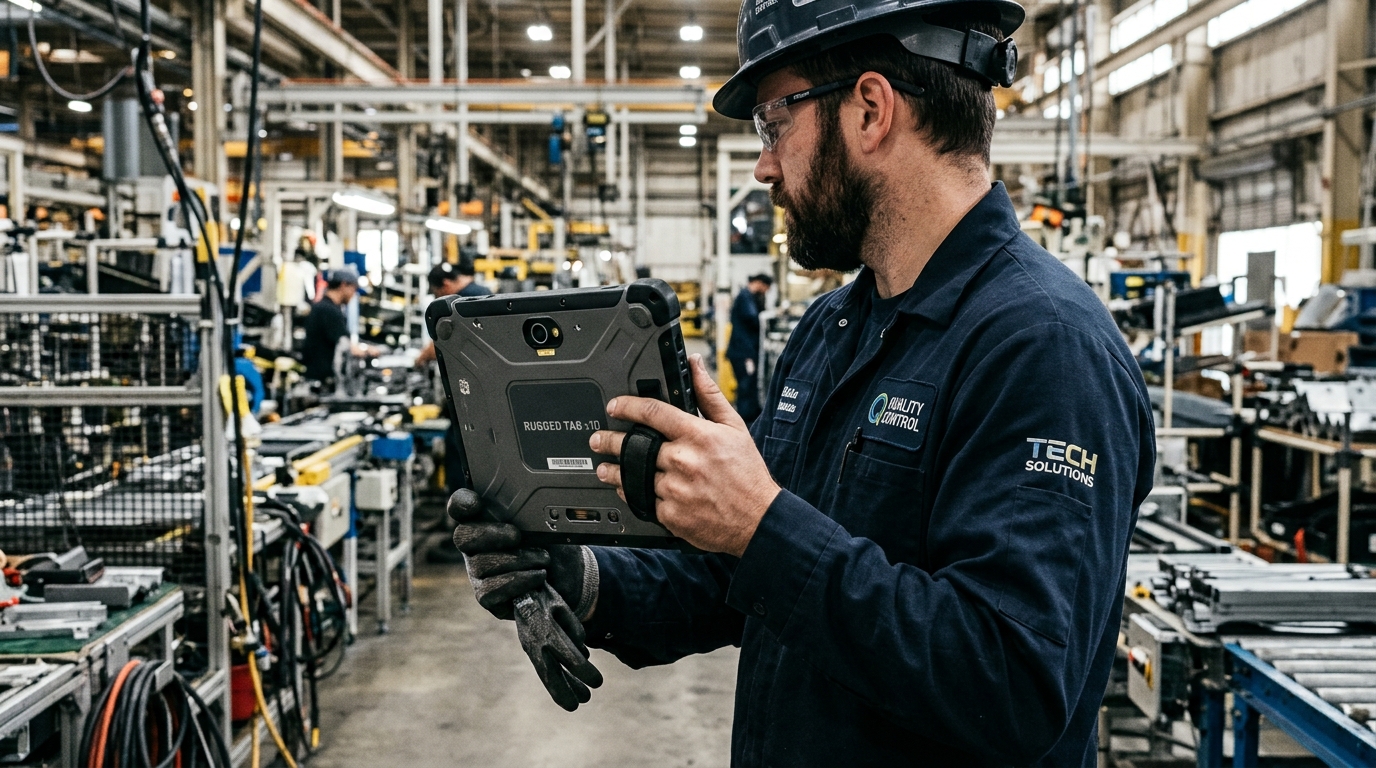
Documentation serves as your primary line of defense. Every time an inspection is performed, the findings must be logged clearly, including the date, the specific area reviewed, any identified hazards, and the assigned corrective actions. Using digital tools allows for faster reporting and easier tracking of trends over time. If a specific area of the warehouse consistently fails to meet standards, digital logs will reveal the pattern, allowing you to address the root cause of the non-compliance.
The Role of Employee Training
Compliance is a collective responsibility. Even the most perfect inspection checklist will fail if the staff does not understand the hazards they are looking for. Regular training sessions that incorporate current safety standards keep the workforce alert. Furthermore, encouraging a ‘stop-work’ authority for all employees ensures that hazards identified outside of formal inspection windows can be addressed immediately without fear of reprisal.
Conclusion
Mastering OSHA compliance is a journey, not a destination. By integrating comprehensive checklists, maintaining meticulous records, and fostering an environment of continuous communication, you safeguard both your human capital and your organization’s future. Start by downloading the OSHA compliance inspection checklist today and turn your safety program into a model of industry excellence. Remember, the goal of every inspection is not just to check a box, but to ensure every team member returns home safely at the end of the day.