

Optimizing Airport Security Operations: The Ultimate Checkpoint Inspection Checklist Guide
Aviation hubs are some of the most highly regulated and secure environments in the modern world. Millions of passengers pass through airport security checkpoints daily, requiring a seamless orchestration of technology, protocol, and human vigilance. Ensuring that these checkpoints operate with absolute precision is not just a matter of convenience—it is a critical national security imperative.
To maintain the highest levels of safety, airport managers, compliance officers, and aviation security professionals must perform regular, exhaustive evaluations. Using a standardized framework like the Airport Security Checkpoint Inspection Checklist allows operators to identify vulnerability gaps, verify equipment performance, and ensure that personnel are operating at maximum readiness.
Security checkpoints serve as the primary line of defense against potential threats to civil aviation. A single failure in screening technology, a lapse in physical security, or a breakdown in operator protocol can have devastating consequences. Systematic inspections ensure that every component of this complex machine is functioning optimally and in full compliance with municipal, federal, and international regulations.
Furthermore, these routine audits help minimize operational bottlenecks. Security queues that move slowly due to equipment malfunctions or poorly trained staff not only harm passenger satisfaction but can also create soft-target crowds outside the secure perimeter. Maintaining checkpoint integrity through proactive auditing is therefore essential for both safety and operational efficiency.
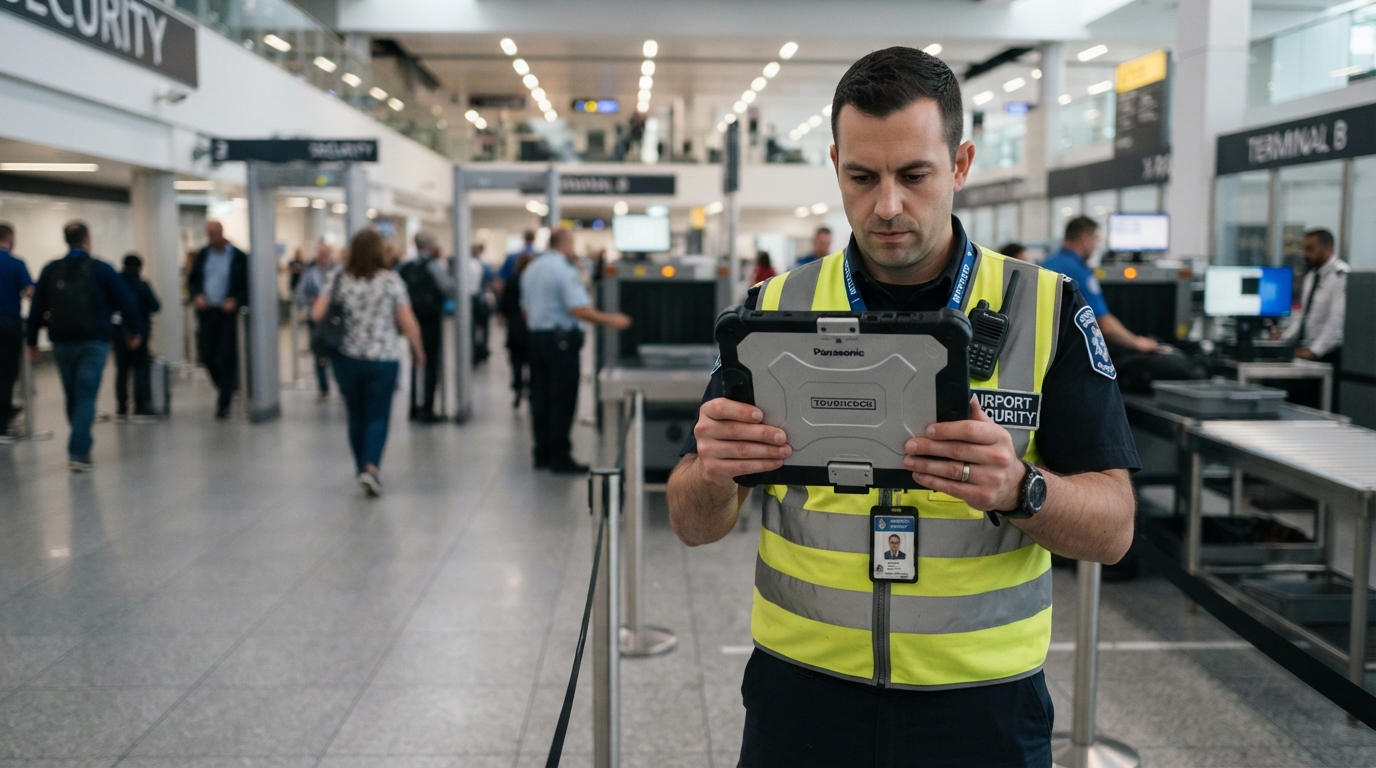
Core Components of an Airport Security Checkpoint Audit
An effective checkpoint inspection cannot be a superficial walk-through. It must be a granular, multi-layered assessment of physical space, technological assets, and staff readiness. Breaking down the audit into core operational categories guarantees that no stone is left unturned.
1. Physical Infrastructure and Access Control
The layout of a security checkpoint is designed to guide passenger flow while maintaining strict access control. Inspectors must verify that physical barriers, queuing stanchions, and exit lane security systems are completely intact and tamper-free. Signage must be clearly visible, legible, and compliant with accessibility laws. Emergency exits within the checkpoint zone must remain unobstructed, clearly marked, and equipped with functioning alarm systems to prevent unauthorized back-flow entry.
2. Screening Equipment Performance and Calibration
Modern airports rely heavily on advanced imaging technology, baggage X-ray scanners, walk-through metal detectors, and explosive trace detection (ETD) systems. Each piece of machinery must undergo rigorous diagnostic testing and calibration at regular intervals. Inspectors must review maintenance logs to confirm that all systems conform to strict operational directives established by agencies like the Transportation Security Administration (TSA). Any equipment showing signs of degradation or delayed processing times should be flagged immediately for secondary maintenance.
3. Personnel Readiness and Operational Protocols
Even the most sophisticated technology is only as effective as the human beings operating it. Checkpoint audits must evaluate the readiness, certifications, and compliance of security screeners. This involves verifying that the staff on duty have completed all required training modules, are well-versed in threat detection protocols, and know how to handle escalate-to-search procedures. Operational standards must also align with safety benchmarks regulated by the Federal Aviation Administration (FAA) to ensure that security measures do not conflict with flight crew protocols or broader aircraft safety guidelines.
Regulatory Standards and Global Alignment
Aviation security is not a localized concern; it is a globally interconnected network. Standardizing checkpoint inspections helps airports remain aligned with international safety protocols. The International Civil Aviation Organization (ICAO) publishes global standards and recommended practices that emphasize continuous risk assessment and security quality control. By leveraging a comprehensive checklist, airport authorities can guarantee that their security procedures withstand rigorous scrutiny during audits by international bodies or domestic aviation authorities.
Best Practices for Implementing a Security Checkpoint Inspection Regime
To maximize the utility of your inspection checklist, consider implementing the following best practices:
- Establish a Consistent Schedule: Perform basic physical checks daily, comprehensive equipment calibration weekly, and deep-dive protocol audits monthly.
- Utilize Unannounced Audits: Scheduled inspections are excellent for routine compliance, but unannounced “red-team” tests provide a true representation of checkpoint readiness under real-world conditions.
- Implement Digital Data Collection: Relying on paper checklists can delay corrective actions. Transitioning to digital inspection tools ensures real-time reporting, automated alerts for failed items, and historical tracking for trend analysis.
- Close the Feedback Loop: An inspection is only useful if it results in corrective action. Ensure that any identified deficiencies are assigned to responsible parties with strict resolution deadlines.
The Operational Benefits of Digital Inspections
Adopting a structured, digital checklist workflow significantly reduces the administrative burden on security management teams. Instead of manually filing paper logs and compiling reports, digital solutions allow for instant data visualization. Managers can instantly track compliance rates across multiple terminals, pinpoint specific lanes that experience frequent equipment failures, and demonstrate compliance to regulatory auditors with a few clicks. This level of agility is crucial in the fast-paced environment of modern aviation hubs.
Conclusion
Maintaining a secure, efficient, and compliant airport security checkpoint requires continuous vigilance and robust auditing tools. By deploying a standardized inspection protocol, aviation security teams can proactively mitigate risks, optimize passenger throughput, and meet strict international security benchmarks. Utilizing a reliable inspection guide is the first step toward building an unshakeable culture of safety and compliance within your airport terminal.