

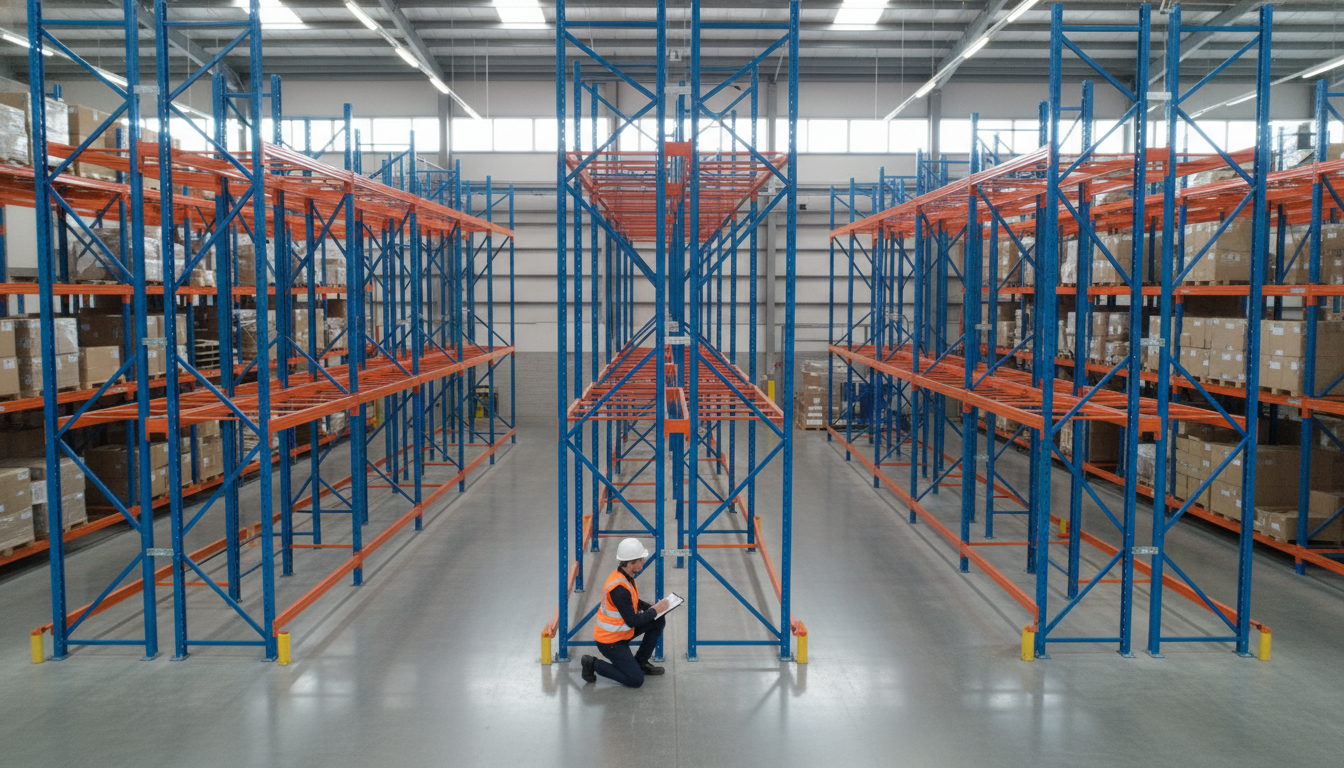
The Comprehensive Guide to Warehouse Racking and Storage Inspection
Warehouse racking systems are the skeletal framework of modern logistics. While they appear sturdy and static, they are subject to constant stresses from heavy loads, seismic movements, and frequent interaction with material handling equipment like forklifts. Maintaining the structural integrity of these systems is not just a matter of operational efficiency; it is a critical safety requirement. Failure to conduct regular inspections can lead to catastrophic rack collapses, resulting in severe injuries, loss of life, and millions of dollars in inventory damage and business interruption. To ensure your facility remains compliant and safe, utilizing a standardized warehouse racking storage inspection checklist is an essential first step for any facility manager.
Understanding the Importance of Regular Inspections
In the United States, warehouse safety is overseen by the Occupational Safety and Health Administration (OSHA). While OSHA does not have a specific standard exclusively for pallet racking, it regulates storage safety under the General Duty Clause and through standards related to materials handling and storage. According to the OSHA Warehousing Safety guidelines, employers are responsible for providing a workplace free from recognized hazards that are likely to cause death or serious physical harm. This includes ensuring that storage racks are installed correctly, maintained in good condition, and protected from forklift impact damage.
Beyond regulatory compliance, regular inspections are a core component of risk management. Pallet racks are engineered structures designed to hold specific capacities. When a component such as an upright or a beam is dented or bent, its load-bearing capacity is significantly reduced. An inspection program identifies these weaknesses before they lead to a collapse. High-traffic warehouses should ideally perform visual walkthroughs daily, with more formal, documented inspections occurring monthly or quarterly depending on the volume of activity and the age of the racking system.
Key Components of a Racking Inspection
A thorough inspection must cover every element of the storage system. The Rack Manufacturers Institute (RMI) provides the gold standard for these evaluations. As detailed in the MHI RMI Safety resources, the following components are high-priority areas during any audit:
- Upright Frames: Look for any signs of vertical misalignment (plumbness). If a rack is leaning more than 1/2 inch per 10 feet of height, it is considered out of plumb and dangerous. Check for dents, kinks, or tears in the steel caused by forklift impacts.
- Beams and Connectors: Inspect beams for permanent deflection (bowing). While some temporary deflection is normal under load, permanent bowing indicates the beam has been overloaded. Ensure that all safety pins or locking clips are securely in place to prevent beams from being accidentally dislodged.
- Baseplates and Anchors: Every upright must be securely anchored to the floor. Check for loose, missing, or sheared anchor bolts. The baseplate itself should be flat and undamaged.
- Wire Decking and Pallet Supports: Ensure these are properly seated on the beams and are not rusted or sagging. They act as a critical safety net for pallets that may not be perfectly positioned.
International standards also offer valuable perspectives on storage safety. The Health and Safety Executive in the UK provides extensive documentation on warehousing and storage safety, emphasizing that even small amounts of damage can lead to a ‘zipper effect’ collapse, where the failure of one rack section triggers the collapse of the entire row.
The Role of Load Capacity and Signage
One of the most common causes of racking failure is overloading. Every racking system must have clearly visible load capacity plaques. These plaques inform operators of the maximum weight permitted per beam level and per bay. During your inspection, verify that these plaques are present and legible. If you have reconfigured your racking—such as changing the beam height—the original load capacity may no longer be valid. In such cases, a professional engineer must recalculate the capacities and new plaques must be installed. It is vital to ensure that warehouse staff are trained to understand these limits and that the actual weights of stored pallets do not exceed the rated capacity.
Identifying and Categorizing Damage
When damage is identified during an inspection using the warehouse racking storage inspection checklist, it should be categorized by severity. Many industry experts use a ‘Green, Amber, Red’ system. Green signifies negligible damage that requires monitoring but no immediate action. Amber indicates damage that is significant enough to require repair, but the rack does not need to be offloaded immediately; however, once offloaded, it should not be reloaded until fixed. Red represents critical damage where the rack must be offloaded immediately and the area cordoned off until the structure is replaced or repaired by a certified professional.
Implementing a Sustainable Safety Culture
Technological tools and checklists are only as effective as the people using them. A sustainable safety culture involves training forklift operators to report every collision, no matter how minor it may seem. Often, drivers are afraid of disciplinary action and may hide a collision that has structurally compromised an upright. By fostering an environment where reporting is encouraged and viewed as a proactive safety measure, you can catch damage early. Furthermore, installing physical protection like column guards and end-of-aisle barriers can significantly reduce the frequency of impact-related damage, extending the life of your racking system and protecting your workforce.
Conclusion
Warehouse racking inspection is an ongoing process of vigilance. By combining daily observations with rigorous periodic audits using a formal warehouse racking storage inspection checklist, facilities can maintain a high standard of safety. Remember that the cost of an inspection and minor repairs is a fraction of the cost associated with a structural failure. Prioritize your racking health today to ensure a safe, productive, and compliant warehouse environment for the future.