

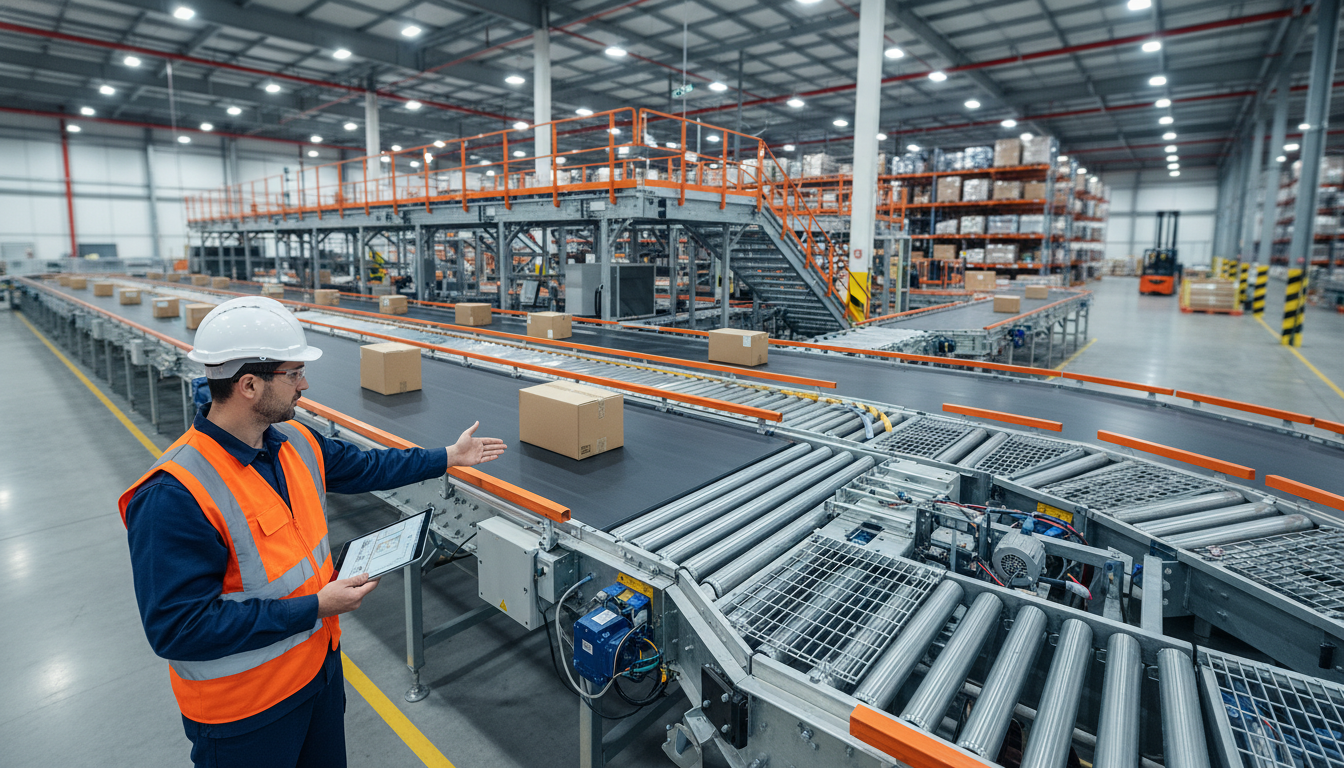
The Ultimate Guide to Industrial Conveyor System Inspections
Industrial conveyor systems are the lifelines of modern manufacturing, logistics, and distribution centers. From moving raw materials to sorting finished goods for global shipment, these complex mechanical systems ensure that production remains fluid and efficient. However, because they are high-speed machines with numerous moving parts, they are prone to wear and tear, mechanical failure, and safety hazards if not properly maintained. A rigorous inspection program is not just a recommendation; it is a necessity for operational continuity and worker safety. To get started with your own maintenance program, you can access the Industrial Conveyor System Inspection Checklist directly on our site.
The Critical Role of Conveyor Systems in Modern Industry
In today’s fast-paced industrial environment, even a single hour of downtime can lead to thousands of dollars in lost productivity. Conveyors are often integrated into larger automated systems where one failure creates a massive bottleneck. Regular inspections allow maintenance managers to identify potential issues before they escalate into catastrophic failures. Beyond the financial implications, the safety of the workforce is paramount. According to OSHA General Industry Standards, machinery must be properly guarded and maintained to prevent severe injuries such as entanglement, crushing, or amputation.
The Anatomy of a Conveyor Inspection
An effective inspection requires a systematic approach, moving from the structural foundation to the most intricate electrical components. It is essential to understand that various types of conveyors—such as belt, roller, chain, or overhead systems—require specialized attention. However, certain fundamentals remain constant across all platforms.
1. Belt and Chain Integrity
The conveying medium is often the most vulnerable part of the system. For belt conveyors, inspectors must look for fraying, cracks, or signs of tracking issues where the belt is rubbing against the frame. For chain-driven systems, lubrication levels and link wear are the primary concerns. If a belt snaps during operation, the resulting recoil can be dangerous and the cleanup extensive. Using a standardized Industrial Conveyor System Inspection Checklist ensures that inspectors do not miss subtle signs of wear on these critical components.
2. Motor and Drive Assemblies
The motor is the heart of the conveyor. During an inspection, professionals should listen for unusual noises like grinding or high-pitched squealing, which often indicate bearing failure. Heat signatures should also be monitored; an overheating motor is frequently a sign of electrical overload or mechanical resistance. Organizations like the Conveyor Equipment Manufacturers Association (CEMA) provide extensive documentation on the design and maintenance of these drive units to ensure they operate within safe parameters.
3. Rollers, Pulleys, and Idlers
Rollers must spin freely. A seized roller creates friction against the belt, leading to premature wear and potential fire hazards. Inspectors should check for material buildup on pulleys (lagging), which can cause the belt to slip or track incorrectly. Ensuring that all idlers are aligned is crucial for the longevity of the entire system.
The Legal and Regulatory Framework for Safety
Compliance is not merely about ticking boxes; it is about following established engineering and safety principles to protect human life. High-quality industrial standards, such as ISO 12100 for Safety of Machinery, provide a global framework for risk assessment and hazard reduction. These standards emphasize that safety must be integrated into the design and maintenance phases of the equipment lifecycle.
Safety Devices and Emergency Stops
Every inspection must prioritize the verification of safety devices. This includes:
- Emergency Stop Buttons: Must be clearly marked, accessible, and functional.
- Pull Cords: Often running the length of the conveyor, these allow workers to stop the system from any point.
- Guarding: Physical barriers that prevent contact with nip points and rotating parts.
- Warning Alarms: Audio and visual cues that activate before the conveyor starts moving.
Developing a Preventive Maintenance Culture
The transition from reactive maintenance (fixing things when they break) to preventive maintenance (inspecting to prevent breaks) is a hallmark of a world-class facility. This culture starts with documentation. By utilizing the Industrial Conveyor System Inspection Checklist, companies can create a paper trail of health for their equipment. This data is invaluable when deciding when to overhaul a system or when justifying capital expenditure for new machinery.
Frequency of Inspections
How often should you inspect? The answer depends on the duty cycle of the machine. A conveyor running 24/7 in a harsh environment like a mining facility requires daily checks. Conversely, a light-duty packaging conveyor might only need a thorough weekly or monthly review. A typical schedule includes:
- Daily: Visual check for debris, listening for noise, and testing E-stops.
- Weekly: Checking belt tension, lubricating specific points, and inspecting sensors.
- Monthly: Deep cleaning, checking electrical connections, and inspecting structural integrity (bolts/welds).
- Annually: Full system audit, motor vibration analysis, and infrared thermography of electrical panels.
Common Conveyor Issues and Solutions
Even with regular inspections, problems arise. Understanding common failure modes helps in rapid troubleshooting. Mistracking is perhaps the most frequent issue. It can be caused by uneven loading, worn pulleys, or environmental factors like temperature changes causing the belt to expand or contract. Material Carryback occurs when product sticks to the belt and gets carried into the internal mechanisms. Installing belt scrapers or cleaners can mitigate this, reducing maintenance labor in the long run.
Conclusion
In conclusion, the reliability of an industrial conveyor system is directly proportional to the quality of its inspection routine. By leveraging global standards from organizations like OSHA and ISO, and by utilizing structured tools like our Industrial Conveyor System Inspection Checklist, facilities can ensure maximum uptime and a safe working environment. Remember, the cost of an inspection is a fraction of the cost of a breakdown. Stay proactive, stay safe, and keep your operations moving forward with precision and care.