

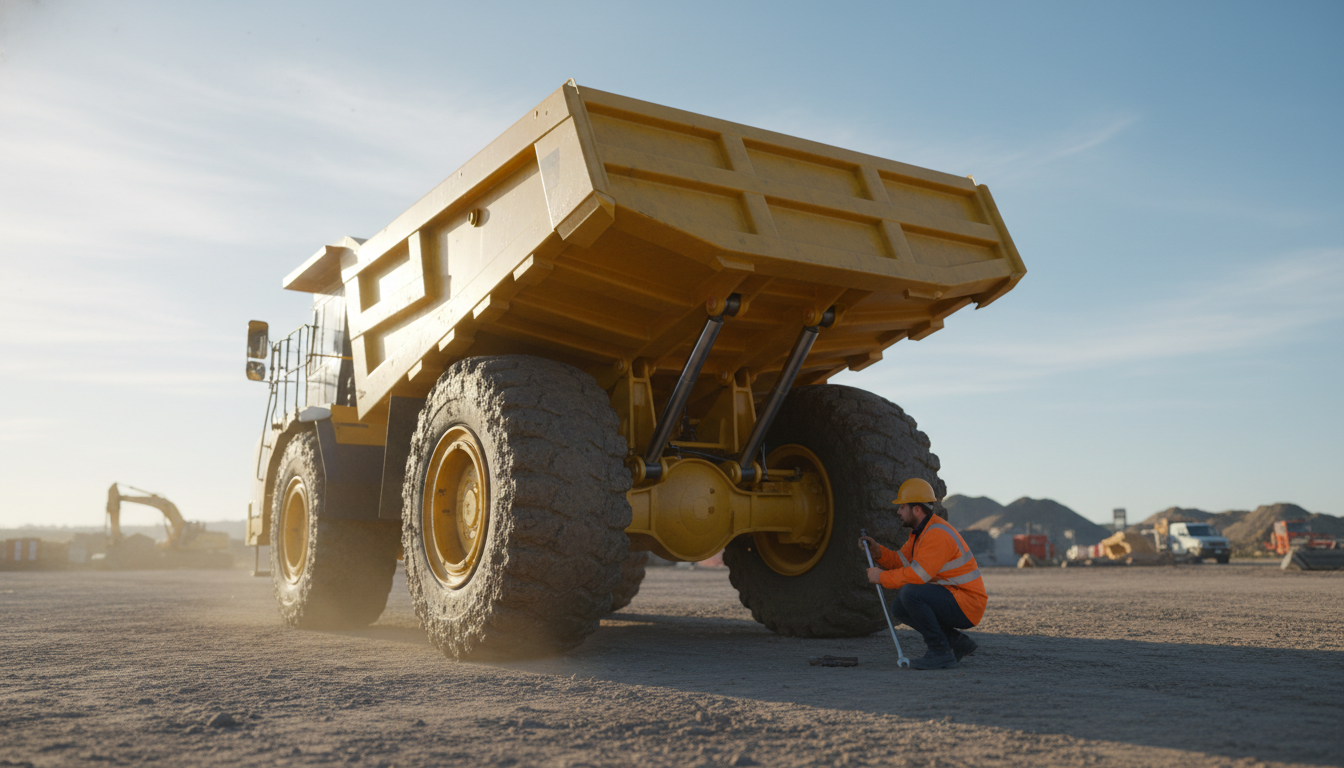
The Ultimate Guide to Dump Truck Inspection: Ensuring Safety, Compliance, and Longevity
Operating a dump truck involves significant responsibility. These massive machines are the backbone of construction, mining, and waste management industries, but their power comes with inherent risks. To mitigate these risks, a rigorous maintenance and inspection routine is non-negotiable. Whether you are an owner-operator or a fleet manager, utilizing a standardized dump truck inspection checklist is the most effective way to ensure vehicle uptime and personnel safety. Regular inspections do more than just prevent breakdowns; they are a critical component of regulatory compliance and proactive risk management.
The Importance of Daily Pre-Trip Inspections
The pre-trip inspection is a legal requirement in many jurisdictions and a best practice everywhere else. It is the first line of defense against catastrophic mechanical failure. According to the FMCSA regulation 396.11, every motor carrier must require its drivers to report, and every driver must prepare a report in writing at the completion of each day’s work on each vehicle operated. This report must cover brakes, steering, lighting, tires, and several other safety-critical components. By identifying a small leak or a worn belt before the truck leaves the yard, you prevent the risk of a roadside breakdown that could lead to thousands of dollars in towing fees, missed deadlines, and potential fines.
Detailed Walk-Around: The Visual Inspection
A thorough inspection begins with a systematic walk-around. Start at the front of the vehicle and move in a consistent direction (usually clockwise) to ensure nothing is missed. Check for fluid leaks under the engine—oil, coolant, and power steering fluid are common culprits. Inspect the headlights, turn signals, and hazard lights for cracks or moisture buildup. Moving to the side of the truck, examine the condition of the tires. The NHTSA tire safety portal emphasizes that proper inflation and tread depth are essential for heavy vehicles, especially those carrying uneven or heavy loads. Look for bulging sidewalls, embedded debris, or uneven wear patterns that might indicate an alignment issue.
Checking the Hydraulic System
The hydraulic system is the heart of a dump truck’s functionality. A failure here can lead to a truck that cannot unload its cargo or, worse, a bed that falls unexpectedly. Inspect all hydraulic hoses for signs of fraying, cracking, or weeping fluid. The hoist cylinder should be clean and free of excessive scoring. Ensure that the Power Take-Off (PTO) engages and disengages smoothly without grinding noises. Because of the high pressures involved, even a pinhole leak in a hydraulic line can be dangerous. OSHA’s dump truck safety guidelines highlight that workers should never work under a raised dump body unless it is properly supported by a safety prop or hoist block.
Under the Hood: Engine and Fluid Dynamics
Once the exterior is verified, open the hood to inspect the engine compartment. Check all fluid levels: engine oil, engine coolant, power steering fluid, and windshield washer fluid. Inspect the belts for tension and cracking. A snapped serpentine belt on the highway will immediately disable the truck and potentially damage other engine components. Examine the radiator for debris or clogs that could lead to overheating during long hauls. Check the battery terminals for corrosion and ensure the batteries are securely mounted. Vibrations from rough construction sites can easily loosen battery hold-downs, leading to short circuits or cracked casings.
Braking Systems and Air Pressure
Dump trucks rely on complex air brake systems to stop tens of thousands of pounds. During your inspection, listen for audible air leaks. Check the air tanks for moisture and drain them if necessary; moisture in the lines can freeze in winter or cause internal corrosion. Verify that the brake chambers are secure and that the slack adjusters are within the proper operating range. A truck with out-of-adjustment brakes is a major liability and a frequent cause of failed roadside inspections. Testing the low-air warning signal and the emergency brake pop-out valve is a vital part of the in-cab portion of the checklist.
The Dump Bed and Tailgate Integrity
The dump body itself requires close inspection. Look for structural cracks in the frame and the bed liners. Ensure the tailgate latch mechanism is functioning perfectly; a tailgate that opens prematurely can spill debris on the highway, while one that fails to open can cause the truck to become unstable or tip over during a dump. Check the tarp system if equipped. A torn or malfunctioning tarp can lead to ‘unsecured load’ violations and environmental hazards. In many states, failing to cover a load of gravel or sand is a primary reason for police stops.
In-Cab Safety and Electronics
Inside the cab, ensure all gauges are functioning correctly. The oil pressure and water temperature should be within normal operating ranges. Test the horn, the windshield wipers, and the heater/defroster. Visibility is paramount, so ensure the mirrors are clean and properly adjusted. Check for the presence of required emergency equipment: a charged fire extinguisher, three reflective triangles, and spare fuses. The driver’s seat should be securely anchored, and the seatbelt must be in good condition without fraying.
The Role of Digital Documentation
While paper checklists have been the standard for decades, many modern fleets are moving toward digital solutions. Using a digital dump truck inspection checklist allows for real-time reporting and instant communication with the maintenance shop. If a driver notes a ‘Class B’ defect, the mechanic can be notified immediately to order parts before the truck even returns to the yard. This level of efficiency is crucial for maintaining high utilization rates in competitive markets.
Compliance with National Safety Standards
Adhering to safety standards is not just about avoiding tickets; it is about protecting lives. The DOT heavy vehicle safety initiatives are designed to reduce the number of accidents caused by mechanical failure. When an accident does occur, the first thing investigators look at is the maintenance and inspection logs. If you cannot prove that the vehicle was inspected and maintained according to industry standards, the legal and financial repercussions can be devastating. Consistent use of a checklist provides a documented ‘paper trail’ of diligence.
Seasonal Maintenance Considerations
Inspections should change with the seasons. In winter, pay extra attention to the cooling system and the health of the batteries. Salt and de-icing chemicals are highly corrosive, so frequent washing of the undercarriage and inspection of brake lines for corrosion is necessary. In summer, the focus shifts to preventing overheating and ensuring the air conditioning keeps the driver alert. Regardless of the weather, the fundamental components—brakes, tires, and hydraulics—must always remain the priority. By following a structured approach, you ensure that every trip made by your dump truck is as safe as possible. Don’t leave safety to chance; implement a comprehensive dump truck inspection checklist today and make it a cornerstone of your operational culture.