

Ensuring Safety and Compliance: The Explosive Storage & Handling Inspection Guide
Managing explosives in industrial, mining, or construction environments requires an uncompromising commitment to safety and rigorous adherence to federal regulations. Given the catastrophic potential of accidental detonation or theft, maintaining a high-standard facility is not merely a best practice—it is a legal necessity. Utilizing a structured Explosive Storage & Handling Inspection Checklist is the most effective way to identify vulnerabilities and ensure that all safety protocols are being met.
The Critical Role of Regulatory Oversight
Explosives are among the most strictly regulated materials globally. In the United States, the Bureau of Alcohol, Tobacco, Firearms and Explosives (ATF) sets the foundation for legal storage requirements, known as ‘Orange Book’ standards. These regulations cover everything from the construction of magazines to the distance requirements between storage facilities and inhabited buildings. Additionally, for workplaces involving employees, the OSHA Standards for Explosives and Blasting Agents dictate the operational safety measures that must be in place to protect personnel from blast hazards.
Key Components of an Inspection
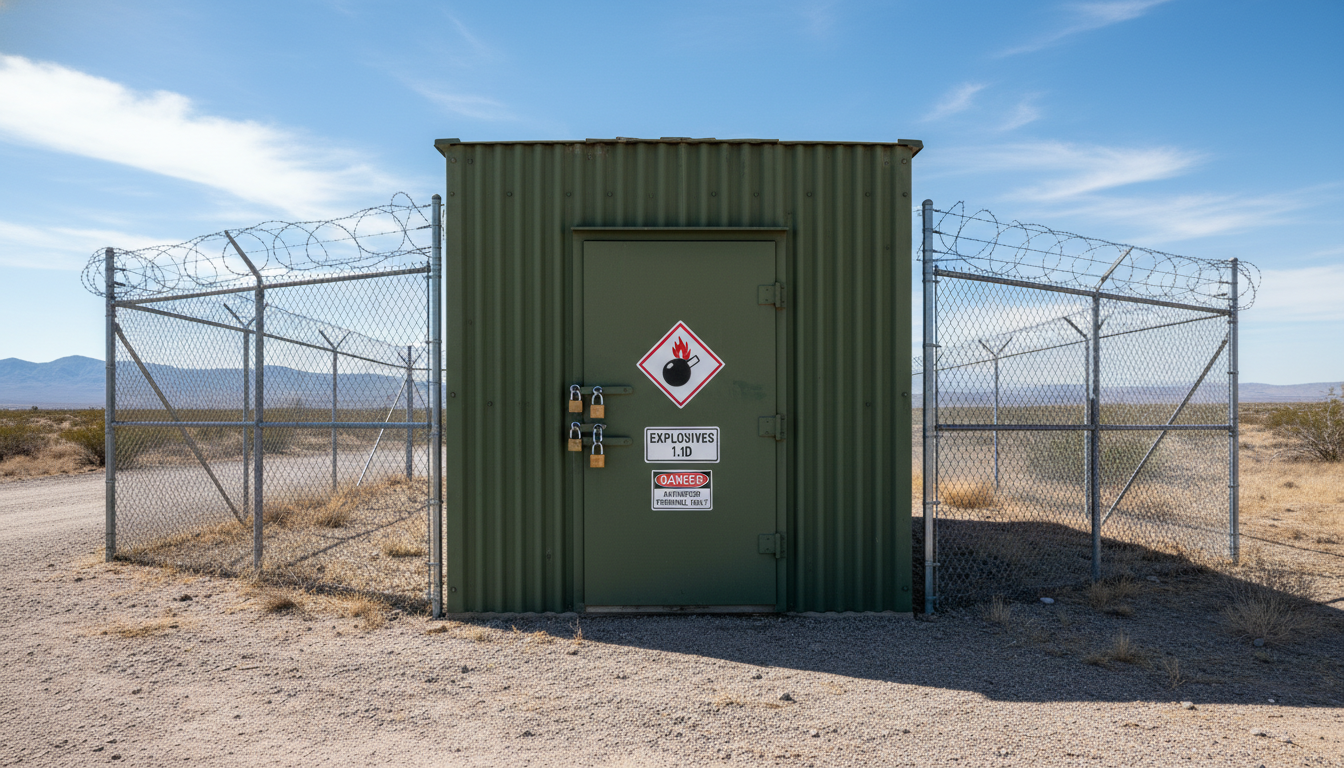
A comprehensive inspection must evaluate multiple layers of safety, starting with the physical integrity of storage magazines. Inspectors should verify that magazines are bullet-resistant, weather-resistant, and properly ventilated. Security is another pillar of the inspection process; locks must be of high quality, and access must be strictly limited to authorized and background-checked personnel. Beyond the physical structure, fire prevention is paramount. Following the guidelines set forth in the NFPA 495: Explosive Materials Code helps ensure that magazines are free from flammable materials and that appropriate fire-fighting equipment is readily accessible and functional.
Operational Handling and Record Keeping
Safety does not stop at the storage door. Handling procedures, including the use of non-sparking tools and the prohibition of smoking or open flames within 50 feet of explosives, must be verified during every inspection. Accurate record-keeping is also a significant part of the audit process. Every pound of explosive material must be accounted for from the moment it is received until it is used or disposed of. By systematically using an Explosive Storage & Handling Inspection Checklist, facility managers can maintain a continuous state of readiness, protecting both their workforce and the surrounding community from the inherent risks of energetic materials.