

Essential Guide to Smoke and Carbon Monoxide Detector Inspection
Ensuring the safety of your property and its occupants starts with functional early warning systems. Regular maintenance and testing of detection devices are critical components of any comprehensive safety plan. According to the NFPA 72 National Fire Alarm and Signaling Code, smoke and carbon monoxide detectors must be inspected regularly to verify they are in proper working order. This guide provides the framework for conducting these life-saving audits.
Why Frequent Inspections Are Necessary
Carbon monoxide is often referred to as the ‘silent killer’ because it is colorless and odorless, making it impossible to detect without specialized equipment. The CDC highlights the dangers of CO poisoning, noting that thousands of people visit emergency rooms annually due to accidental exposure. Similarly, functional smoke alarms significantly increase the survival rate during a home fire. Using a dedicated smoke carbon monoxide detector inspection checklist ensures no critical step is missed during your monthly or annual review.
Key Maintenance Procedures
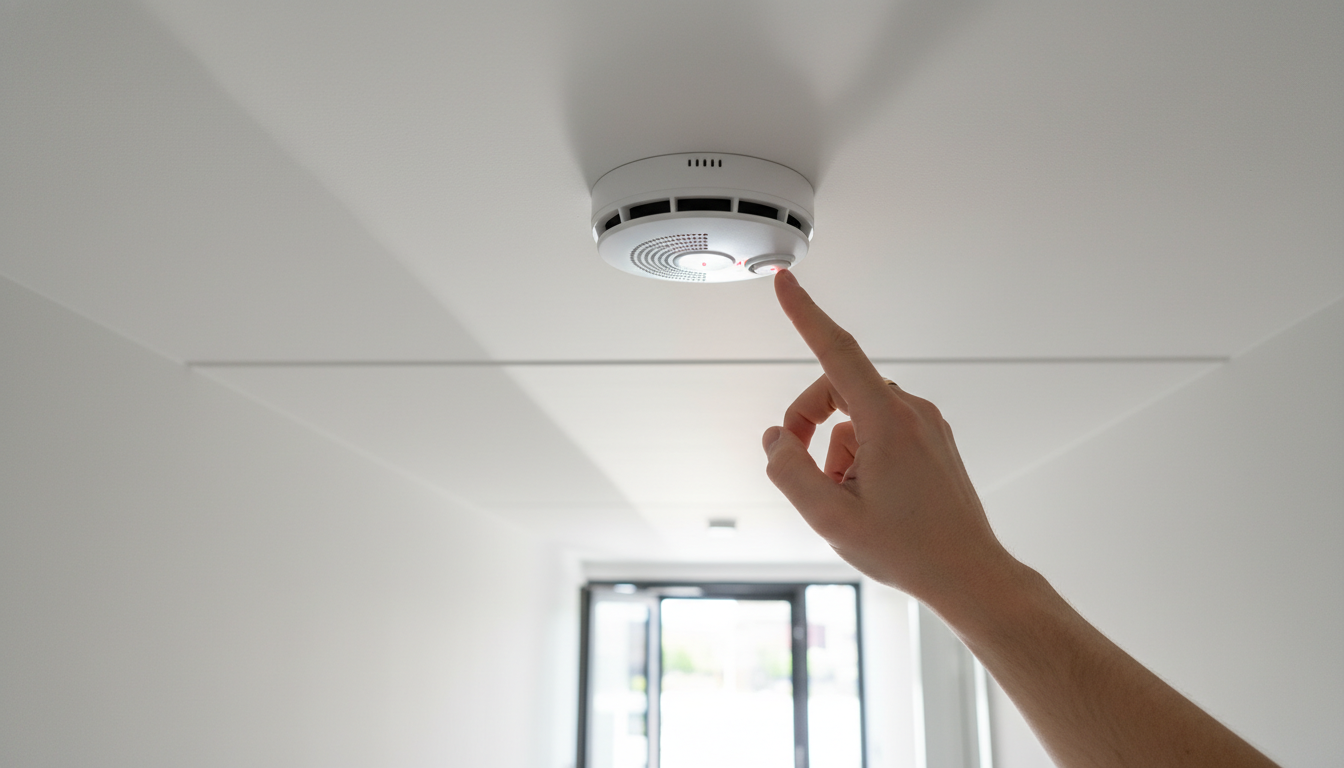
- Functional Testing: Press the ‘test’ button on every alarm to ensure the siren sounds and the circuitry is active.
- Battery Management: Replace batteries at least once a year, or immediately if the low-battery chirp is heard. The U.S. Fire Administration recommends checking these devices monthly to maintain peak performance.
- Sensor Cleaning: Dust and cobwebs can interfere with sensors, leading to false alarms or failure to activate. Gently vacuum the exterior of units to keep the sensors clear.
- Expiration Verification: Most smoke detectors expire after 10 years, while CO detectors may expire in 5 to 7 years. Check the manufacture date stamped on the back of the device.
Best Practices for Placement
For maximum protection, alarms should be installed on every level of the building, inside every bedroom, and outside all sleeping areas. Following these placement guidelines ensures that residents are alerted as quickly as possible, regardless of where an issue originates.