

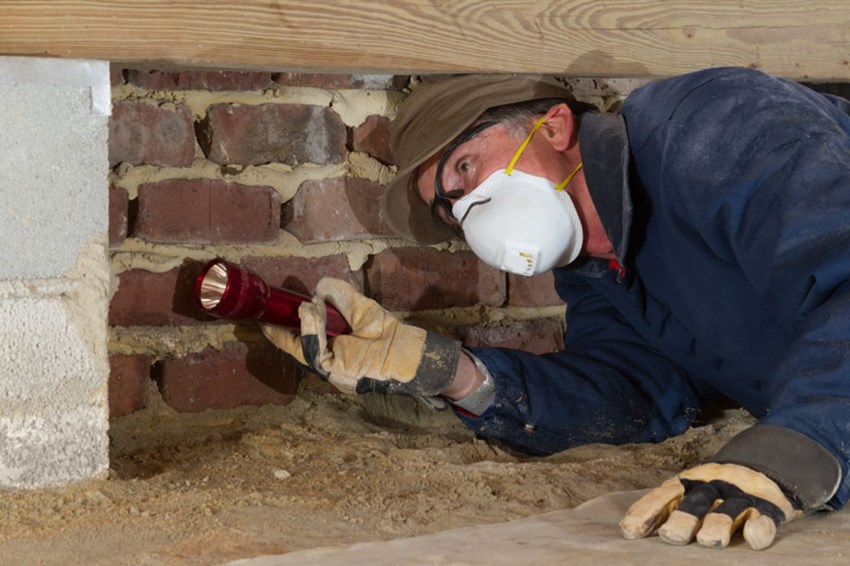
Basement, Crawl Space & Attic Insulation Inspection Checklist
Home comfort, structural durability, and energy efficiency all begin at the building envelope. Basements, crawl spaces, and attics are critical zones where moisture, air leakage, and poor insulation can cause costly problems like mold, high utility bills, and structural damage. Bringing together a comprehensive Basement & Crawl Space Inspection Checklist and Attic Insulation Inspection Checklist gives homeowners and maintenance teams a unified, systematic way to assess vulnerabilities from the lowest to the highest points of the home.
Why Inspect Basements, Crawl Spaces & Attics Together
Basements and crawl spaces often serve as the foundation for indoor environmental quality, while attics influence heat loss, moisture movement, and HVAC efficiency. According to the U.S. Environmental Protection Agency Indoor Air Quality guidance, moisture entry points and inadequate insulation can compromise air quality and energy performance across occupied and unoccupied spaces.
Proper inspection can improve comfort, reduce energy costs, prevent rot and pest damage, and support long‑term durability of the building structure.
Core Areas for Basement & Crawl Space Inspection
- Floor & Wall Condition: Check for cracks, bowing, efflorescence, or signs of water intrusion.
- Moisture & Drainage: Inspect sump pumps, drainage systems, gutters/downspouts, and moisture stains that indicate chronic dampness.
- Ventilation & Airflow: Verify vents are operating, insulation is installed properly, and airflow does not promote mold growth.
- Pest Entry Points: Look for gaps or breaches that allow rodents, insects, or wildlife to enter.
- Support & Structural Components: Examine beams, joists, piers, and ties for decay, rust, or improper support.
- Insulation & Vapor Barrier: Ensure insulation is intact, properly installed, and vapor barriers are continuous where required.
Core Areas for Attic Insulation & Inspection
- Insulation Levels & R‑Value: Confirm insulation depth and R‑value match recommended levels for your climate; check for gaps and compression.
- Air Sealing: Look for air leaks around plumbing vents, chimneys, electrical penetrations, attic hatches, and recessed lighting.
- Roof & Ventilation: Inspect rafters, sheathing, ridge vents, soffit vents, and ensure venting supports moisture control and air circulation.
- Moisture & Mold Indicators: Check for condensation, staining, or mold on rafters, decking, and insulation; moisture can compromise insulation performance.
- Attic Access & Safety: Ensure access is safe, lighting is adequate, and electrical wiring is properly supported and insulated.
Best Practices for Whole‑House Inspection
Start at ground level with basements and crawl spaces, then move upward to attics. Document every finding with photos, environmental readings (if available), and notes on action items. Address moisture sources (exterior drainage, grading) before insulation upgrades. Use trusted building science guidance such as U.S. Department of Energy Weatherization Tips and the Residential Energy Services Network (RESNET) for insulation and air sealing best practices.
Regular inspection — at least twice per year or after major weather events — ensures early detection of problems before they escalate into costly repairs.
Conclusion
Unified inspections of basements, crawl spaces, and attic insulation help homeowners and maintenance teams catch potential issues early, improve energy efficiency, and protect indoor air quality. Using both the Basement & Crawl Space Inspection Checklist and the Attic Insulation Inspection Checklist gives you a complete picture of your home’s envelope performance and supports proactive maintenance that saves money and enhances comfort.framework to evaluate fixtures, piping, drainage, water quality, and support systems so issues are caught and resolved before they escalate.