

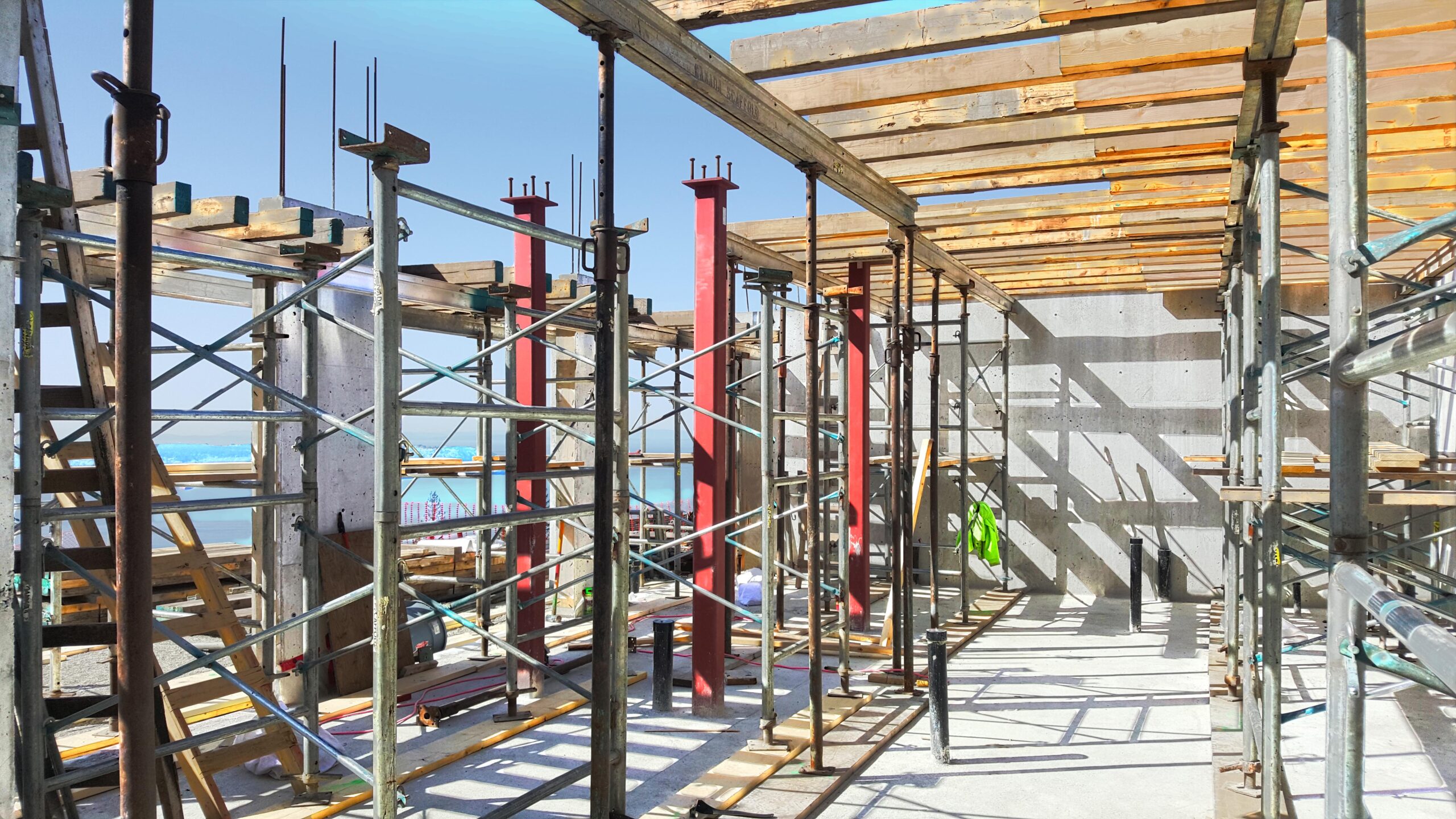
Formwork & Shoring Inspection Checklist
Proper formwork and shoring are essential to safe and successful concrete construction. Inadequate inspection can lead to structural failures, worker injuries, costly delays, and regulatory violations. The Formwork & Shoring Inspection Checklist provides a structured method for reviewing critical components before, during, and after concrete placement.
Why Inspect Formwork & Shoring?
Formwork and shoring systems retain fresh concrete until it attains sufficient strength. Any instability, misalignment, or inadequate support can cause collapse, harm personnel, or damage structures. According to the Occupational Safety and Health Administration (OSHA), employers must ensure that formwork and shoring are designed, erected, and inspected by competent persons to prevent failures and protect workers. OSHA’s construction standards outline specific criteria for support, bracing, and load transfer.
Industry guidelines from the Applied Technology Institute emphasize the importance of systematic inspection and documentation to maintain formwork quality and performance throughout the concrete pour cycle.
Key Areas in the Formwork & Shoring Inspection Checklist
A thorough inspection should cover all primary formwork and support elements prior to loading and during pour activities. Key areas include:
- Design Verification: Confirm formwork and shoring systems are designed to carry expected loads, per project specifications and engineering drawings.
- Materials & Components: Inspect lumber, panels, steel supports, connectors, ties, and bracing members for defects, damage, or improper sizing.
- Assembly & Alignment: Check that all supports are plumb, level, and aligned; verify anchorage and connection integrity.
- Bracing & Stability: Ensure bracing components are adequate to resist lateral loads, vibration, and concrete pressure during placement.
- Load Path & Transfer: Confirm that loads are properly distributed to stable bearing surfaces and that bearing pads or mudsills are secure.
- Access & Clearance: Verify safe access for workers, clearances for equipment, and unobstructed pathways.
Best Practices for Inspection and Documentation
Inspections should be performed by a competent person familiar with formwork and shoring systems, construction loads, and applicable safety codes. Start with pre‑pour verification, then continue with periodic checks during placement and after significant changes (weather, shifts in loads, or equipment movement).
Calibration tools like levels, plumb lines, and laser alignment devices improve inspection accuracy. Documentation should include photos, notes on deviations, corrective actions assigned, and verification of closure. Detailed records support quality assurance and help demonstrate due diligence for safety audits and compliance reviews.
External Standards & Guidelines
The American Concrete Institute (ACI) and related technical committees publish consensus recommendations on formwork design, support criteria, and inspection approaches. These resources help guide inspection best practices at a level consistent with industry expectations and structural performance requirements.
Conclusion
Formwork and shoring are critical to the safety and quality of concrete construction. Regular use of the Formwork & Shoring Inspection Checklist helps construction teams catch issues early, document compliance, and maintain stability through the pour and cure process. Systematic inspections reduce risk, support regulatory compliance, and protect the workforce.tion teams can systematically evaluate conditions and procedures to ensure compliance with quality expectations and safety requirements.