

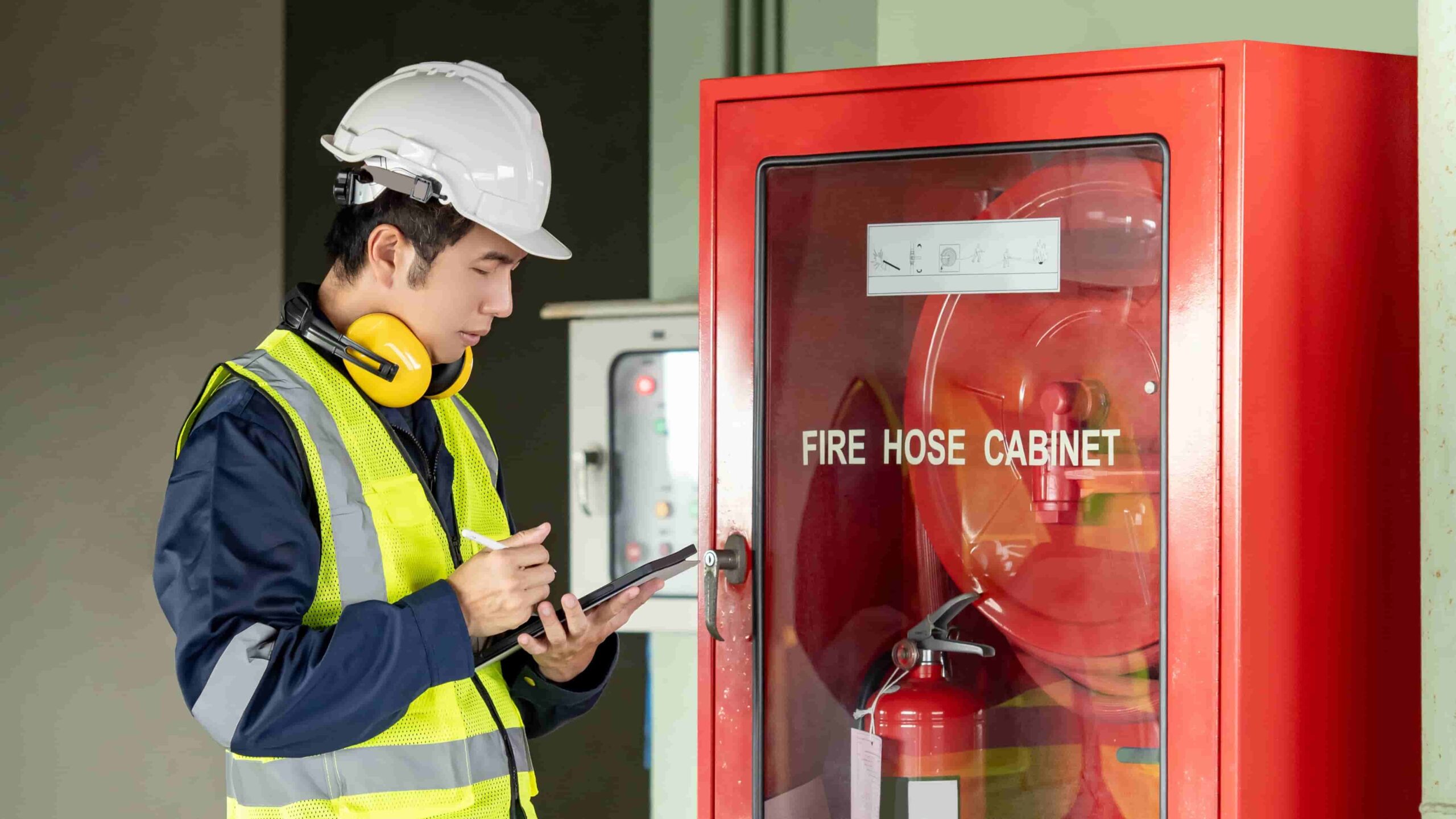
Fire Safety Inspection Checklist
Fire emergencies demand readiness. A structured inspection process can identify issues before they become emergencies. Use this Fire Safety Inspection Checklist to standardize audits of all fire protection systems and safety measures.
Why Fire Safety Inspections Are Vital
Regulatory codes, insurance policies, and public safety expectations all require regular fire inspections. The National Fire Protection Association (NFPA) publishes standards for fire protection system maintenance, while agencies like OSHA mandate safe egress, fire suppression, and hazard control in workplaces.
Key Items in the Checklist
- Fire extinguishers: Pressure readings, tag inspection, placement, accessibility.
- Alarm/detection systems: Functional tests, sensor status, wiring integrity.
- Emergency lighting & exits: Illuminated signs, battery backup, clear egress routes.
- Sprinklers & suppression systems: Valve positions, flow switches, pipe corrosion.
- Fire doors & compartmentation: Inspect door operation, seals, and hardware.
- Evacuation plans & signage: Verify maps, directional signs, muster points.
Implementing the Checklist
Begin with a visual tour of the property, use the checklist step-by-step, record findings, assign corrective actions, and verify closure. Document photographs and timestamps to support compliance audits.
Additional Best Practices
Maintain inspection frequency based on system criticality (monthly, quarterly, annually). Train personnel in fire awareness, and review inspection records before high-risk seasons. Use findings to feed maintenance schedules and capital planning.
Conclusion
Fire safety systems only protect when maintained. The Fire Safety Inspection Checklist is a free tool you can use immediately to audit extinguishers, alarms, exits, suppression systems, and signage. Use it regularly to keep facilities compliant, safe, and ready.