

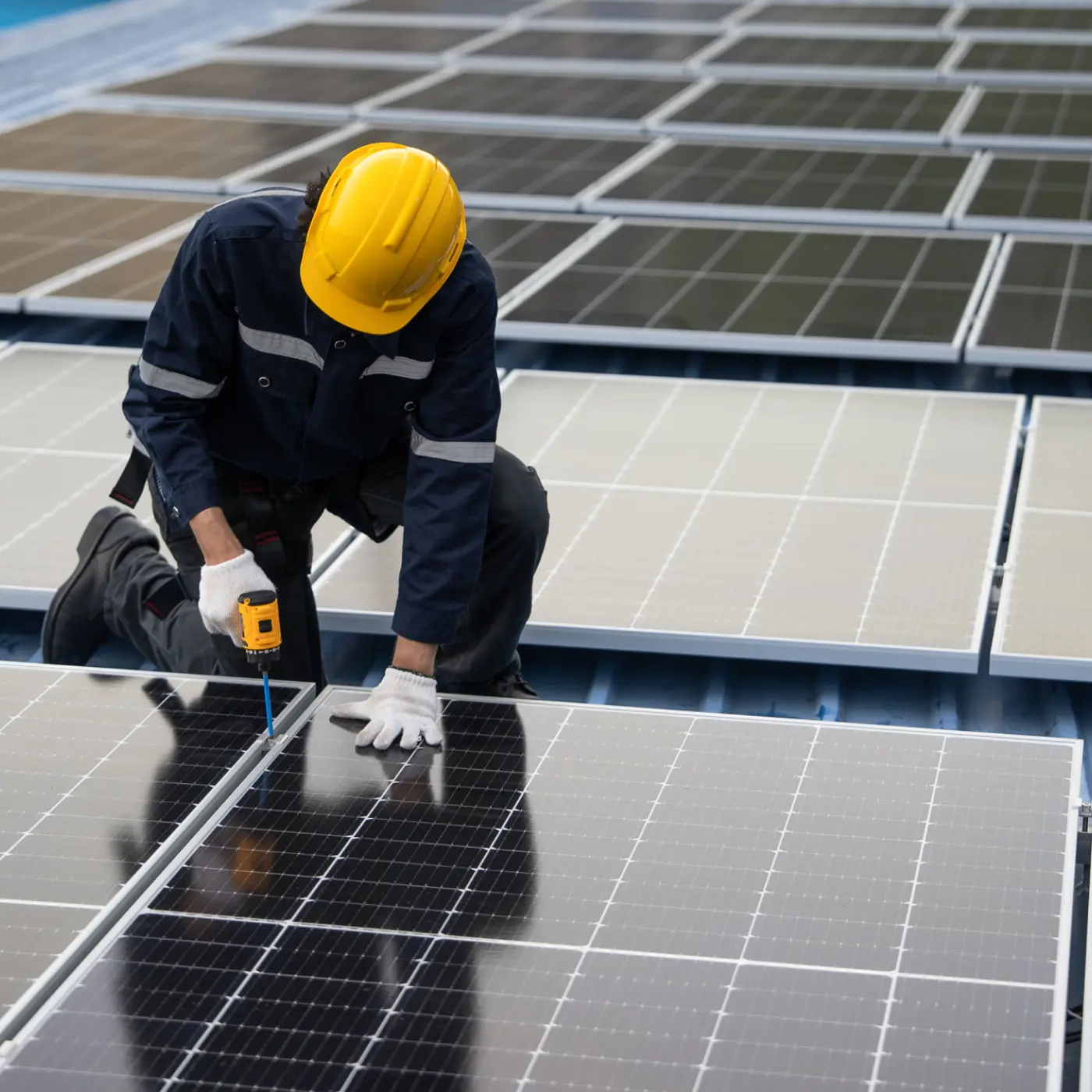
Solar Panel System Maintenance Checklist
Solar arrays deliver reliable, low-cost energy — but only when they’re maintained. Use this practical guide and linked, free checklist to keep systems safe, efficient, and compliant.
Why regular solar panel maintenance matters
Solar panels operate in exposed conditions year-round: sun, wind, rain, dust, pollen, bird activity, and seasonal leaf fall all affect output. Small issues such as loose electrical connections, micro-cracks, or a layer of grime can significantly reduce generation. The U.S. Department of Energy recommends routine inspections and cleaning to protect performance and safety: U.S. Department of Energy — Maintaining Your Solar Electric System.
Research from the National Renewable Energy Laboratory (NREL) shows that soiling and partial shading can reduce panel output by a noticeable percentage if left unchecked. Regular maintenance also supports warranty claims and helps identify failing components before they cause larger failures or safety risks.
How this checklist helps
The Solar Panel System Maintenance Checklist is designed to be practical and repeatable. It converts inspection know-how into a straightforward workflow inspectors, contractors, facility managers, and homeowners can follow. The checklist groups checks by visual, mechanical, electrical, and performance items so teams can complete inspections quickly and consistently.
Key inspection areas (what to look for)
1. Panel surfaces and modules
Inspect each module for visible damage: cracks, hot-spot discoloration, delamination, or loose glass. Note any soiling, bird droppings, or pollen buildup that could reduce irradiance. If micro-cracks are present, document location and plan for further diagnostic testing (e.g., thermography or IV curve). Replace or repair panels per manufacturer and warranty guidance.
2. Mounting, racking, and structural integrity
Check mounts, rails, clamps, and bolts for corrosion, loosening, or deformation. Confirm roof penetrations are sealed and flashing is intact (for rooftop arrays). For ground-mount systems, inspect foundations and anchoring for erosion or movement after heavy rains or freeze-thaw cycles.
3. Electrical systems and safety devices
Visually inspect conduit, junction boxes, and cable runs for abrasion, UV damage, or rodent chewing. Confirm invert ers show expected status lights and error logs. Verify that disconnects, fuses, circuit breakers, and labeling comply with local electrical code. Loose connections cause heat and fire risk, so torque checks on critical lugs and terminals are important.
4. Performance and monitoring
Compare current production to expected generation for the given irradiance and temperature. Use the inverter’s monitoring system or site telemetry to identify panels or strings producing below threshold. Trending low output often points to soiling, shading, or a failing component that needs replacement.
5. Inverter, batteries, and balance-of-system
Inspect inverter fans/filters, electrolytic capacitors (signs of bulging), battery terminals (if present), and thermal management. For battery systems, check state-of-charge logs and confirm battery enclosure ventilation and safety systems are functioning.
6. Safety & access
Confirm safe access paths, handrails, and fall protection for rooftop inspections. Ensure warning labels and rapid shutdown markers are visible and meet local requirements. The Solar Energy Industries Association (SEIA) publishes safety resources worth reviewing: SEIA — Solar Safety.
Step-by-step inspection workflow
- Pre-inspection planning: Gather site plans, previous inspection records, inverter logs, and weather/irradiance data.
- Visual walkdown: Walk the array and perform the visual checks listed above, marking items on the checklist.
- Electrical checks: With appropriate PPE and lockout/tagout, verify wiring, torque critical connections, and note inverter/system alarms.
- Performance validation: Compare instantaneous and historical energy data. Flag strings or modules underperforming in telemetry.
- Photographic documentation: Photograph defects and their locations for maintenance crews and warranty claims.
- Report & corrective actions: Enter findings into inspection logs, assign priority levels, and schedule repairs. Keep records for warranty and compliance.
Use the printable Solar Panel System Maintenance Checklist during every inspection to standardize this process.
Common problems found and quick fixes
- Soiling/Shading: Clean panels with manufacturer-approved methods or schedule professional cleaning.
- Loose terminals: Re-torque per spec and inspect for heat damage.
- Damaged modules: Tag and arrange module replacement under warranty if applicable.
- Inverter faults: Check logs, power cycle per vendor instructions, and escalate to vendor service if needed.
Industry standards and reference resources
Follow recognized guidance and standards where appropriate. Useful references include:
- U.S. Department of Energy — guidance on solar system care and best practices.
- National Renewable Energy Laboratory (NREL) — research on performance and soiling.
- International Energy Agency (IEA) — reports on reliability and lifecycle management of renewable systems.
- Solar Energy Industries Association (SEIA) — industry safety initiatives and resources.
Record keeping and trends
Recording inspection findings consistently makes it possible to track recurring problems and predict maintenance needs. Keep a simple log with date, inspector, findings, photos, and actions taken. Review logs quarterly to identify patterns that justify preventive maintenance or equipment replacement.
Conclusion
Regular inspections protect system performance, extend service life, and reduce unexpected downtime. The Solar Panel System Maintenance Checklist is a practical tool you can use right away to standardize inspections — whether you manage one rooftop array or a large commercial farm.
Download the checklist, schedule inspections at least twice a year (and after major weather), and use the documented results to make data-driven maintenance decisions.
solar panel maintenance checklist, solar inspection checklist, solar panel cleaning, inverter checks, electrical safety, NREL, DOE, IEA, SEIA, preventive maintenance, solar farm inspection, rooftop solar inspection, free inspection checklists